Asian architects take the green path by incorporating culture into designs
Forthcoming HK summit to explore effective ways of using traditional materials like wood in modern buildings

Picture an Asian city, all steel, glass, and concrete, where tall buildings have soft wooden “crowns” as their uppermost floor; where being green means cultural sustainability, as well as environmental; and where a new airport is fashioned as a boat, made out of timber.
Such cities are not merely imagined by four leading international architects – they are actual works in progress. Their creators will present keynote addresses at the upcoming Asian Congress of Architects Forum, the biennial congress of the Architects Regional Council Asia (ARCASIA), to be hosted by Hong Kong in September for the first time.
Having left his mark on important cultural institutions from North America to China, Bing Thom, founder of Canadian firm Bing Thom Architects, will put the case for the role of culture in sustainability.
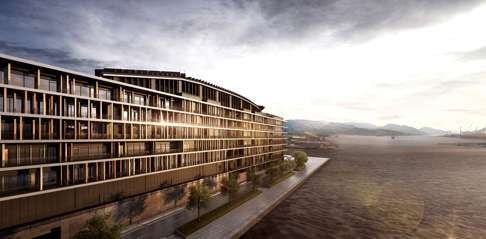
“Cultural sustainability is important because it identifies who we are,” said Thom. He thinks it is a shame that culture, which Thom interprets as a sense of place, a sense of stability, is not given equal billing in the green agenda as economic, environmental and social elements.
He cites the Xiqu Centre, an opera house within the West Kowloon Cultural District, designed by Bing Thom with Ronald Lu & Partners (slated for completion late 2017). “The authentic cultural substance of Hong Kong culture is Cantonese opera – but how do you capture that in a contemporary setting, when the issue of cultural identity is so important for Hong Kong now?” And at the same time, make it commercially viable.