
The View | Currency wars, the dollar, and Trump’s one-sided extrapolations
‘What all this forex meddling has in common is that it demonstrates the pitfalls of trying to fix wider economic problems by tinkering with currencies’

On the campaign trail Republican candidate Donald Trump could always rely on a roar of approval for talking about Chinese currency manipulation, citing it as a prime example of unfair trading practises that disadvantaged the United States. Now, from his perch in the White House President Trump has kind of admitted this is not so, while trying to talk down the US dollar so as to make American goods more competitive – what’s this, other than an attempt at currency manipulation?
However it’s nothing more than governments have been doing more or less forever. Former US presidents were working the other side of the fence as advocates of a strong dollar. But it all amounts to the same thing because governments of all varieties tend to be obsessed by the level of their currencies. How this obsession is translated into action is no more than a matter of degree or maybe a matter of competence in getting international markets to do what they want them to do.
Trump has impressive plans for vast infrastructure projects which will require funding from overseas that in turn stimulates demand for the dollar
I can think of only one government, with a freely convertible and actively traded currency that does not even attempt to manipulate its currency. Step forward the Hong Kong government that used to be in the manipulation game but gave it up with the establishment of the peg to the US Dollar in 1983. Since then the Hong Kong dollar (albeit within a tiny trading range) and indeed interest rates simply move in tandem with decisions taken in Washington. The Hong Kong Monetary Authority, which is charged with responsibility for these matters, is more or less compelled to stand aside even when US monetary policy contradicts Hong Kong needs. The link precludes the option of unilateral action.
So, Hong Kong is out of the currency manipulation game but more or less everyone else is in. Trump was not wrong to cite China as a currency manipulator, not least because the yuan is not freely tradable and therefore subject to government control. Moreover Chinese policy makers did indeed move to devalue the currency in 2015 to help its export industry.
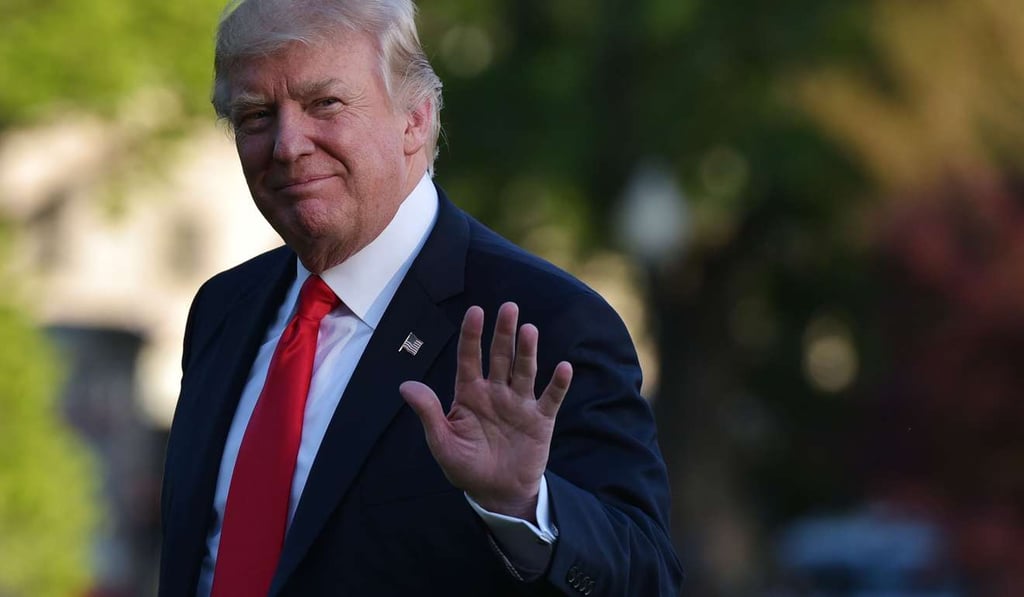
As he often does, Trump has used one piece of information as a basis for massive and incorrect extrapolations. Clearly it is not just currency manipulation that accounts for the massive trade imbalance between the two nations.
It should also be noted that it was the United States that helped usher in an era of currency manipulation by being the major player in the Cold War-era Bretton Woods agreement with its fixed exchange rates. This system more or less collapsed in 1973, mainly because of the difficulties it caused for America.