It’s so tranquil, we must be nearing the death stage for global asset prices
‘Crisis-spotters must contend with increasingly uninformative and deceptive measures of sentiment’

In 1989, the late Herb Stein, a well-known American economist who served as chairman of former president Richard Nixon’s Council of Economic Advisers, wrote that “if something cannot go on forever, it will stop”.
His adage became known as “Stein’s law” and is often cited by commentators who warn of unsustainable trends in financial markets and the global economy. While Stein’s remark may seem like a statement of the blindingly obvious, it is an aphorism that has never rung more true than it does today.
The Vix has become a poor gauge of investors’ sensitivity to the vulnerabilities and threats in the global economy that could precipitate the next crisis
The ability of markets to climb a “wall of worry” and turn a blind eye to the plethora of vulnerabilities facing the global economy – from the rapid build-up of corporate debt in China to the dangers in exiting ultra-loose monetary policies, particularly in Europe and Japan – seems to know no bounds.
This makes it nigh impossible for economists and investment strategists to predict with any degree of certainty the catalysts and precise timing of the next major financial crisis.
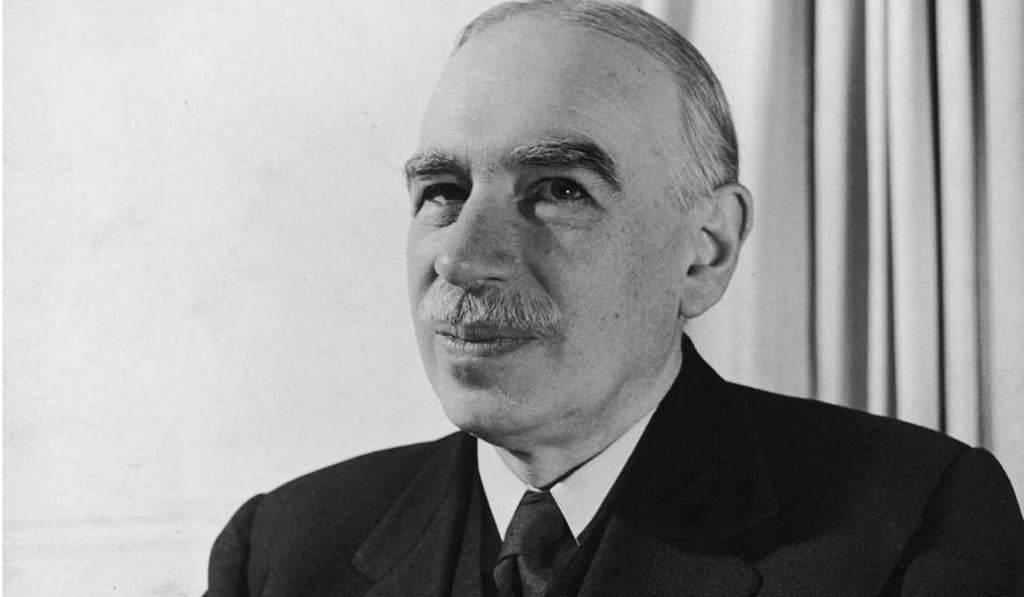
It was the influential economist John Maynard Keynes who famously observed that “the market can stay irrational longer than you can stay solvent”. Yet not even Keynes could have envisioned the extent to which the prices of financial assets have become distorted by the ultra-accommodative monetary policies of the world’s main central banks following the 2008 financial crash.
While central banks, in particular the US Federal Reserve, the world’s most influential monetary guardian, deserve enormous credit for helping restore confidence in the financial system by slashing interest rates and embarking on aggressive programmes of quantitative easing, their policies have bred complacency in markets. Investors have grown accustomed to the backstops provided by central banks, particularly during periods of severe financial stress, such as the euro-zone debt crisis in 2011-12 and the turmoil engendered by fears about China’s economy and policy regime in the second half of 2015.