
Inside OutFood for thought: how Instagram is changing the restaurant business
The proliferation of smartphone cameras and photo-sharing apps has changed the way we lead our lives

Through the late 1970s into the 1990s, ploughing a lonely furrow across remote and sometimes exotic parts of Asia as a Financial Times correspondent, I was never without my Canon and as many rolls of colour film as my hand carry bag could secrete away.
Sometimes, like in the coal mines of northern Anhui in China, or wild-west Mindanao, or at a Baluch tribal “jirga” in the lunar desert between Pakistan and Afghanistan, this was a dangerous obsession.
When once the written word was the message, with pictures to provide visual validation, today it is often the picture itself that is the message, propagated with a viral force and speed that is almost impossible to get your head around
One learned the art of how to protect, and where to hide, completed rolls of film. With just 36 photos per roll, shots were rationed and each exposure had to be carefully composed. Only when I got back to the UK would I discover whether any did justice to the stories I was witnessing. Cropping or improving exposure of an ill-composed photo was a major challenge, undertaken in the eerie red light of the FT’s dark room.
I gathered many of these photos meticulously in albums, to give family and friends a glimpse into the impossibly distant journeys that filled my year. And it was here I learned one of my first lessons of human psychology: friends would flip patiently through the pages of my albums, only ever to pause if I was posing in a picture – preferably with a group of other people. Most people seem to have an irresistible urge for the “We wuz ‘ere” picture.
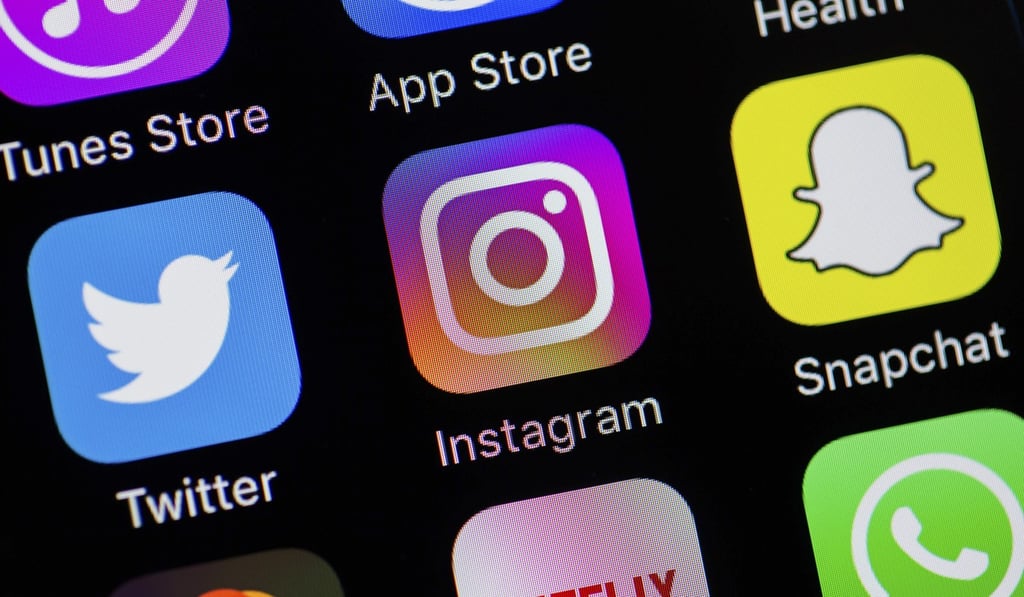
When once the written word was the message, with pictures to provide visual validation, today it is often the picture itself that is the message, propagated with a viral force and speed that is almost impossible to get your head around. In less than seven years since Instagram launched it has gathered 700 million active users – over 100 million of those added in the four months since the beginning of this year. These are at the heart of a snaphappy global community that this year is expected to take 1.2 trillion photos, with around 100 billion being added every year. About 85 per cent of these will be taken on smartphones, with just 10.3 per cent taken with what I used to know as a camera.
As smartphone cameras have become increasingly sophisticated, the craft of photography has been commoditised