Digital technology opens the door to ‘alternative assets’, but what role will banks play?
Banks will still be vaults for what’s considered valuable, but what that is and how it’s measured is up for grabs

Investing and trading in alternative assets is likely to become a new area of finance to be transformed by financial technologies, according to analysts. As with many other aspects of digitisation in financial services, the initial stages of the process will have a democratising function, while later stages could see a transformation in how markets work, or even how value is measured.
“I think over time, whatever can be traded can be digitised,” Kathryn Shih, UBS president of Asia Pacific told the South China Morning Post on the sidelines of the bank’s Future of Finance Forum in Hong Kong.
“Lots of assets have been digitised almost unconsciously. Treasury bonds used to be stored in vast warehouses, corporate loans used to be just from a bank to a customer. Now they are digital and can be traded, and there are many more examples of changes I’ve seen in my career,” Shih said.
Trading in alternative assets such as art and antiques, fine wines, classic cars and other collectibles, or precious metals has traditionally been comparatively closed. An investor can buy a Picasso painting for US$45 million, or they cannot. That one buyer makes the market.
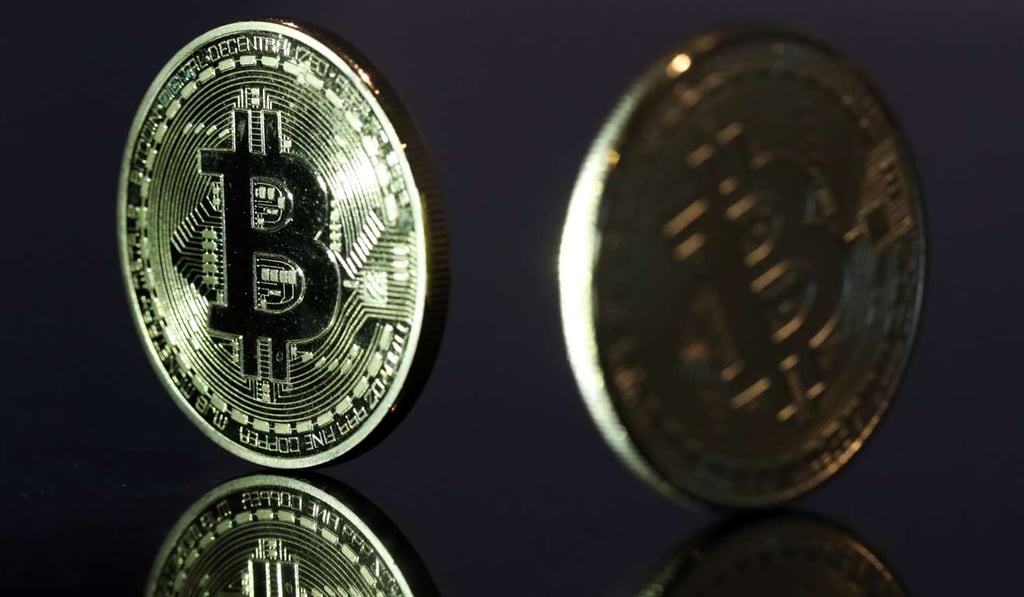
However, blockchain technology looks set to change this. The distributed ledger technology behind cryptocurrency bitcoin allows physical assets to have unique identifiers, which means they can be accounted for, and transacted with, on the ledger. In addition, these tokens on the blockchain can also stand for just part of an asset, and that makes them more accessible to a wider audience.
“Asset based tokenisation will make certain investments not only more accessible but also more liquid, allowing more individuals to get exposure to assets like art or real estate which they may not otherwise have,” said Henri Arslanian, PwC’s fintech and regulation technology (regtech) leader for China and Hong Kong.