
Why aren’t traditional haven assets behaving like they should in times of turmoil any longer?
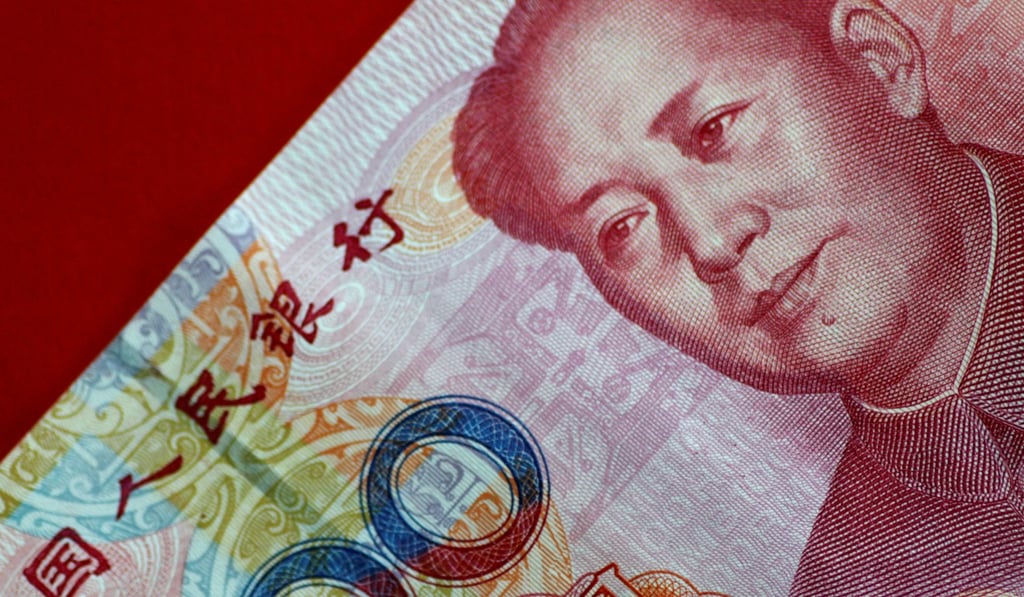
The yuan is increasingly exhibiting haven characteristics underpinned by China’s huge current account surplus and foreign reserves, and gaining in value during recent periods of geopolitical turmoil

Is there safety in safety?
The propensity of international investors to seek out so-called “haven assets” during periods of turmoil in financial markets is as old as the hills.
Traditional safe haven investments have included cash, gold, the government bonds of the most creditworthy countries, the currencies of the world’s largest economies and, following the global financial crisis, the assets of some emerging markets, notably in Asia.
While there is no such thing as an asset offering absolute safety, havens are usually defined as assets that are favoured in times of uncertainty because of their perceived stability, liquidity and steady income streams. This is because their performance, in the words of the International Monetary Fund, “correlates negatively with [the returns] of riskier assets during times of stress.”
Yet the haven status of assets, which were once reliable refuges for investors during periods of turbulence, was turned on its head after the financial crisis and has been in an even greater state of flux since the world’s leading central banks, led by the US Federal Reserve, began to unwind their ultra-loose monetary policies.