New Afghan mining law lacks transparency, say experts
A new Afghan law is meant to ensure residents benefit from the sector's development but experts say its lack of transparency fuels corruption

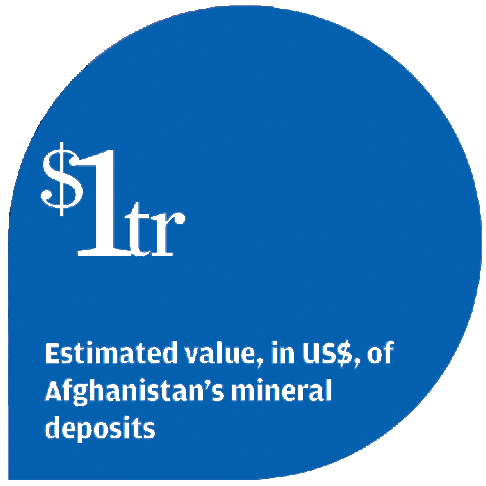
Afghanistan has a new mining law that aims to tap the potentially lucrative sector to fund the country's post-war development but which critics say falls short of international standards and could encourage further conflict and corruption.
President Hamid Karzai signed the Law on Mines after it was finally passed, more than a year after being tabled, by the lower house of parliament on August 16, following the last-minute addition of guarantees that local communities will share in the proceeds of mining.
Taliban are not spectators but finance their war from revenues from the sector
"The house approved the law with a new article, and based on it, 5 per cent of mining income will be spent on the people of the provinces where mines are located," a member of parliament from northern Baghlan province, Obaidullah Ramin, told local media.
Passage of the law is expected to see a surge of contracts to mine copper and gold in various parts of the country, industry sources said.
Critics say the new law does not deal with the fundamental issues of transparency, community monitoring of mining, social and environmental impact, and compensation for land use. It also lacks provision for fair and affordable dispute resolution.
Global Witness, a mining industry standards advocacy organisation in London, says these weaknesses do nothing to ensure that mining rights are not a source of conflict.