NewHong Kong to help Myanmar set up a gold exchange

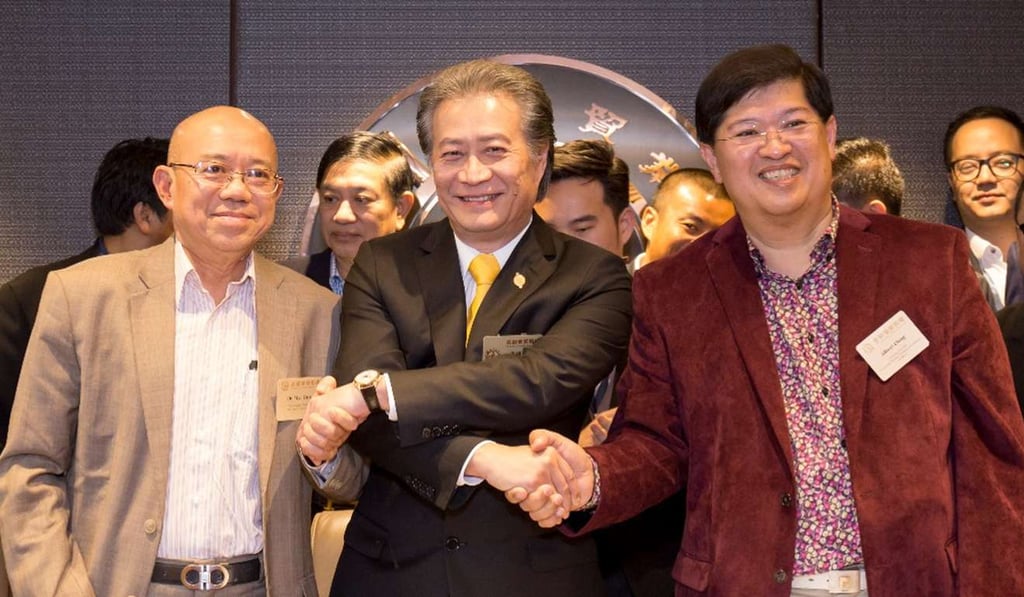
The operator of Hong Kong’s gold exchange is in talks to help the government of Myanmar establish a bourse in the country for trading the precious metal, according to Haywood Cheung Tak-hay, president of the Chinese Gold & Silver Exchange Society.
“This is the right timing for Myanmar to establish a gold exchange as the country is very keen on modernising its economy,” Cheung said in an interview with the South China Morning Post. “Myanmar lies on the route of China’s One Belt, One Road project, which enables it to capture the growing opportunities of commodities and other types of trading in the region.”
The local exchange will provide Myanmar with advisory and technical support through the Hong Kong Myanmar Chamber of Commerce, for which it will collect a fee, Cheung said without disclosing the amount. It will need to get regulatory approval in Myanmar and the chamber will work out the shareholder structure in the gold exchange.
The “One Belt, One Road” project was initiated in 2013 to establish trade and infrastructure projects, including roads and railway links to connect the 60 countries between China and other Asian and European countries to promote trade and economy.
Myanmar is among these countries, with Chinese investments in energy and other infrastructure projects. The country’s economy is likely to have expanded 8.1 per cent in 2016, according to a forecast by the International Monetary Fund, making Myanmar the world’s fastest-growing economy after Iraq.