Update | Big data meets China’s oldest retailer as Alibaba courts Bailian
The world’s largest online shopping platform operator will bring its big data and technology to bear on China’s biggest and oldest supermarket chain

Alibaba Group Holdings, whose e-commerce sites have upended brick-and-mortar retailing, is bringing the power of its big data and technology to shake up one of China’s oldest and largest retail chains for the digital age.
Alibaba and Shanghai Bailian Group will use the e-commerce company’s data to integrate “offline stores, merchandise, logistics and payment tools with the ultimate aim of elevating efficiency and overall consumer experience,” the two companies said in a Monday statement.
Similar to its 2015 investment in Chinese electronics chain Suning Commerce Group and its US$2.6 billion bid to buy Chinese department store chain Intime Retail Group, Alibaba is seeking to combine analytics about retail behaviour with offline physical stores, part of what founder Jack Ma calls the “New Retail".
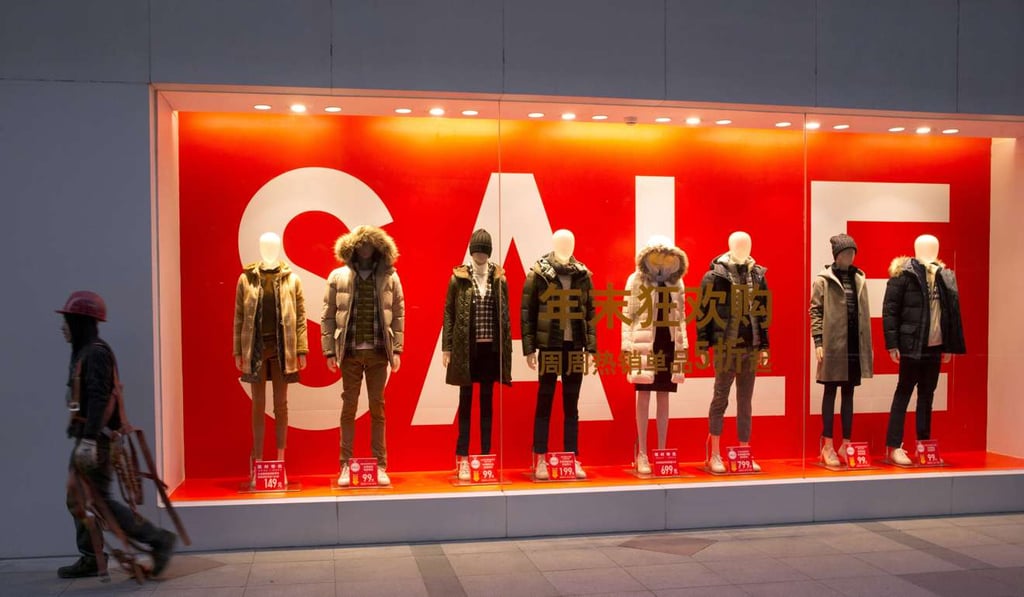
The partnership, which does not involve Alibaba buying a Bailian stake, reflects the new reality of retailing, especially in major Chinese cities where e-commerce has taken the lion’s share of business from brick-and-mortar shops because of the sheer convenience of shopping online, said Shanghai Wanqing Commerce Consulting’s founder Lu Zhenwang.
“In smaller Chinese cities, which lack the logistics infrastructure, offline retailors still enjoy advantages,” Lu said.