
Macroscope | United Airlines’ boss Oscar Munoz should have followed this four-point checklist
‘After years of experience of delicate situations, I came to realise that it is almost 100 per cent better to tell the whole truth’

In the film Too Big to Fail, the narrator lists all the bosses who went to jail for allowing their companies to pump up debt levels so high that it led to the 2008 financial collapse. Then he says: “Actually, that’s not true. Nobody went to jail!”
Big corporate bosses make horrendous mistakes and usually get away scot-free. Lesson 101 in Chief Executive School after such is to round up the usual suspects and fire someone junior, perhaps destroying their career with a self-serving press release. The next step is to say that “only hindsight” could have figured out the problem and naturally they cannot resign because only they can sort out the mess.
Security guards (bouncers rather than policemen) used by United Airlines punched the lights out of a 69-year-old doctor to get him off an overbooked plane. Junior staff had managed to get some passengers to alight by offering money. Why not bid more? It may have cost it US$1,500 to allow the doctor to see his patients but that is irrelevant for an airline making US$36 billion in annual revenue. David Dao’s lawsuit could cost United millions in compensation after an expensive court battle and massive loss of reputation. Was it worth it?
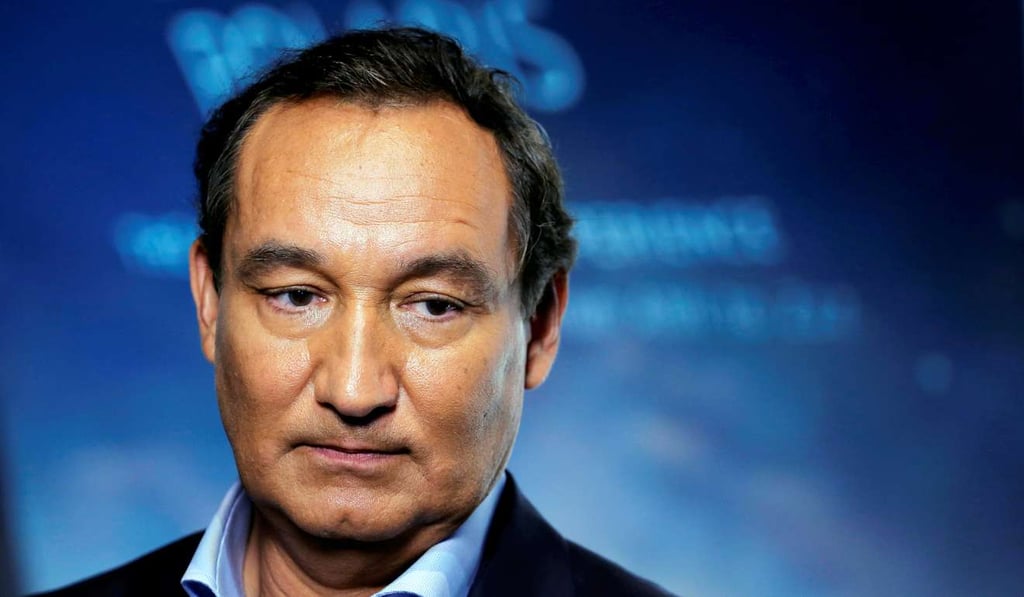
It is not all the fault of the hapless Oscar Munoz, the chief executive of United, who has had a torrid time on social media. Just a day after United’s incident, Easyjet ruined a family holiday for overbooking but quickly apologised and admitted “human error”. Munoz blamed a “system failure”. This he partially inherited; but his big mistake was his incompetence in handling the aftermath – and that is not acceptable from someone who earned HK$52 million last year.
Corporate muck-ups happen of course and the litany of corporate disasters is long. Samsung Electronics’ Note 7 phone kept exploding; BP’s Deepwater Horizon oil rig fire almost destroyed the company; Takada Corp’s airbag recall did; JPMorgan’s London Whale trading losses cost shareholders (like myself) reportedly as much as US$7 billion. Their executives badly handled the fallout and were duly mugged by social media or grandstanding politicians.
Munoz reacted to the news by calling the passenger “disruptive and belligerent” before even watching the video. He forgot CEO Lesson No 2: “The customer is always right”. He was unprepared, uncertain and out of his depth for his planned mea culpa interview with television network ABC – certain only in the fact that he was not going to resign. Most chief executives hide behind a carapace of staff, but facing their customers is part of the job. Since then, Munoz has grovelled but leaves a feeling that his new-found humility stems from the presence of video evidence and social media. His actions caused more damage than the incident.