
Across The Border | European carriers struggle to profit from flying to China’s second-tier cities
European carriers cut capacity on secondary China routes by 23pc in the first seven months, but growth between second-tier cities and Southwest Pacific destinations, mainly Australia, rose 165pc

Foreign airlines, jetting to or from China’s second tier cities, are reporting increased local competition, which has led to a fall in profits on the routes, and more empty seats.
According to figures from travel-aviation industry analysts, European carriers cut capacity on secondary China routes by 23 per cent in the first seven months, and suspensions of those are likely to grow in coming months.
Early this year, British Airways (BA), for instance, closed its route from London Heathrow to Chengdu, after the airline said flights were “not commercially viable”, despite the capital of southwest China’s Sichuan province being widely regarded as one of China’s most promising destinations for Europeans, well known for not just its stunning scenery and as the centre of China’s efforts to save the panda, but also its hi-tech industry development.
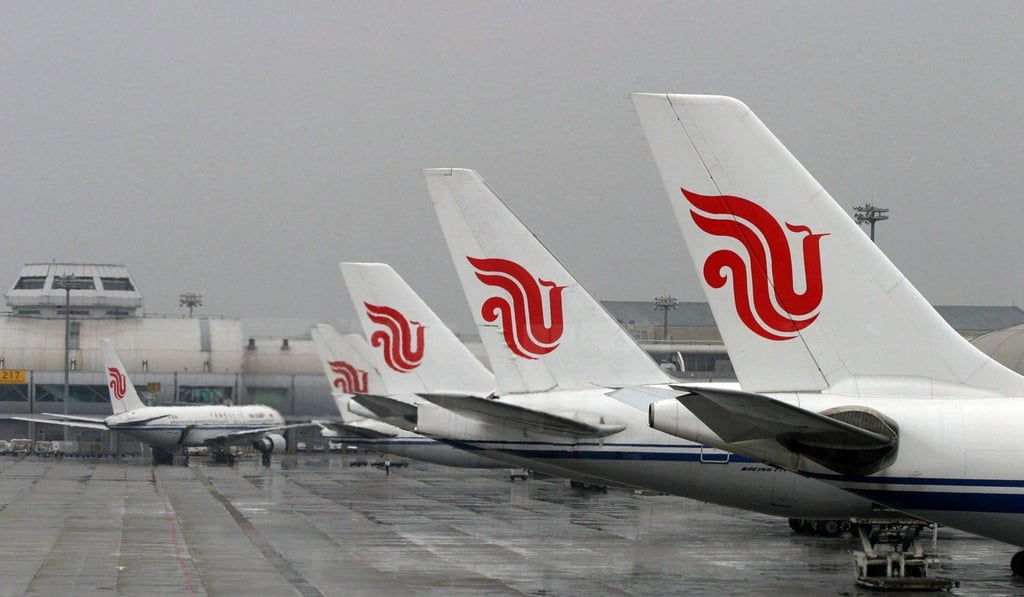
BA is not alone. In October last year, German flag carrier Lufthansa also ceased its route from Frankfurt to Shenyang, the largest city in China’s northwest region, where 100 million people live in an area with a population larger than Germany itself.
Flying on a Chinese carrier is a more natural choice, as Chinese travellers are more familiar with domestic airline brands and are more comfortable with the largely Mandarin-speaking cabin crew and ground staff, than they might find on foreign carriers
And earlier this month, the US’ United Airlines announced it was quitting services to Hangzhou, the headquarters of China’s largest internet giant Alibaba, the owner of the South China Morning Post.