-
Advertisement
Hong Kong company reporting season
BusinessCompanies

Li Ning’s first-half profit rises 67pc to US$28.4m, beating forecasts

Sportswear company founded by China’s former Olympic gymnast aims to close more than 200 stores by the end of the year

Reading Time:2 minutes
Why you can trust SCMP
Chief financial officer, Terence Tsang Wah-fung (left) and executive chairman and interim chief executive officer Li Ning (right) reveal its interim results in Hong Kong on Friday. Photo: Xiaomei Chen
Josh Ye
Li Ning, the eponymous sportswear company founded by China’s former Olympic gymnast, has beaten analysts’ forecasts with a 66.8 per cent surge in its first-half net profit by shrinking its number of loss-making outlets. It aims to close more than 200 stores by the end of the year.

Net income rose to 189.2 million yuan (US$28.4 million), or 0.793 yuan per share, in the first six months, helped by an 11 per cent increase in sales to 3.996 billion yuan. The Beijing-based company didn’t declare an interim dividend.

The interim net profit beat analysts’ forecasts by 13 per cent, and is further evidence that Li Ning has managed to put its years of losses firmly behind it, helped by a turnaround programme where it slashed inventory, shuttered unprofitable sites and upgraded its factory outlets.

Advertisement

Gross profit margin improved one percentage point to 47.7 per cent during the period, the company said.

As at 30 June 2017, the number of stores under Li Ning brand has dropped 111 in number, to a total of 6,329 compared with last December.
Advertisement
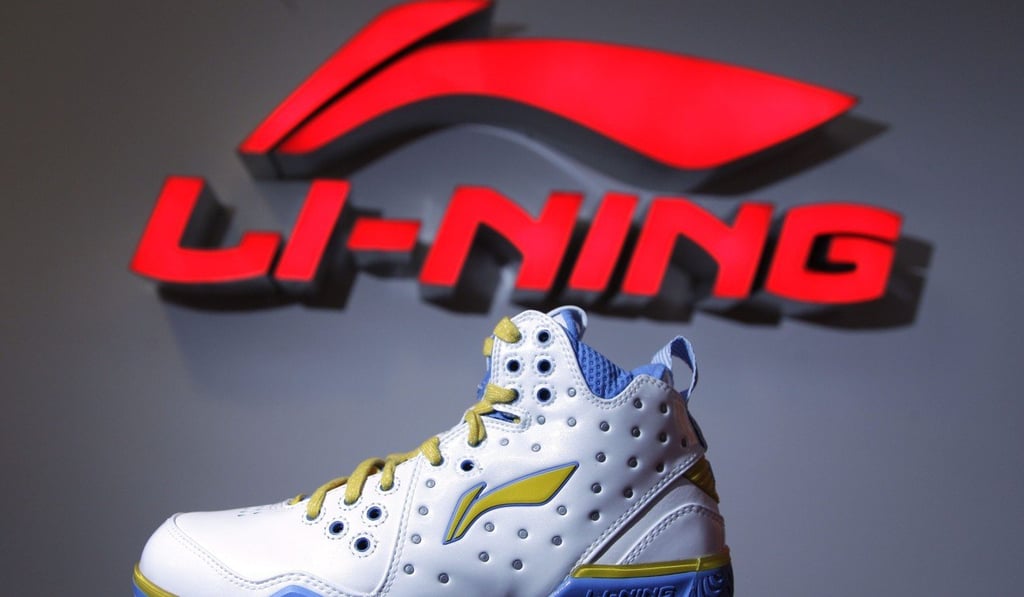
The BD Doom Basketball shoe is shown in a Li-Ning store. The company is China’s largest home-grown sportswear brand by sales. Starting initially with budget-conscious customers in its early years, the company expanded too quickly in its quest to snatch market share from Nike and Adidas. Photo: AP
Advertisement
Select Voice
Select Speed
1.00x