
Inside Out | Failure of monetary stimulus calls for new measures to boost global economic growth

It has been one of those conundrums: why have record low interest rates done so little to stimulate economic growth, and lift the world economy out of the quagmire created by the 2008 crash? While there are many possible answers, one seems increasingly clear: demographics.
In short, as communities age across most of the rich part of the world economy and the proportion of working-age people dwindles, so spending patterns are rapidly shifting, and it is getting tougher to stimulate economic growth. As the “baby boomers” so often talked about in recent decades slip into their silver years, so retail consumer spending has become soggy, with more spending on elderly priorities like health care. The stimulus that economists thought would come from rock bottom interest rates has failed to materialise. As a Wall Street Journal report recently noted: “Simply put, companies are running out of workers, customers – or both.”
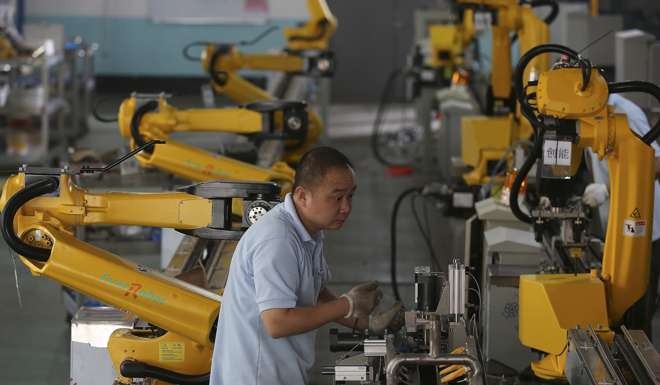
The economy that illustrates this most vividly is probably China. Over the two decades to 2010, the country’s working-age population leapt by 224 million to 890 million – an increase of 35 per cent, which meant that output growth was easy, and the consumer economy grew like topsy even though average incomes were low. But from the workforce peak of 928 million last year, China is set to see its working-age population shrink by 90 million in the coming two decades, and 190 million by 2050. As more of the population slip out of the workforce into retirement, two economically awkward things happen: consumer demand for “stuff” declines, and output growth that would drive broader economic growth is going to be steadily harder to achieve.
Japan is another powerful case in point. From a working age peak in 1995-2010, hovering around 78 million, the working-age population is set to fall by one third to 60 million by 2030. As the “silver” generation grows rapidly, so consumption patterns have changed. Even though almost a quarter of the over-65s continue to work, productivity and output growth has become progressively tougher to achieve.
The demographic challenge among today’s poorer economies is rather different, but they account for only a small proportion of world consumption, and are likely to remain weak drivers of global economic growth. India – by 2050 expected to become the world’s most populous country – is predicted to have a working population of more than 1 billion by mid-century – up almost 300 million from today. Its workforce is set to overtake that of China somewhere between 2025 and 2030. At the same time, Nigeria is predicted to become the world’s third most populous country, and Indonesia the world’s fifth, by 2050. Indonesia’s workforce is set to almost double over the half century to 190 million.
When you recognise that long term economic growth can come from just two things – more workers or higher productivity – such demographics make it clear that as we move painfully out of our current economic quagmire, it is improved productivity alone that must provide the growth we need. And that is a problem, because productivity growth seems to have been weak over the past decade. But we should not lose hope. At least four forces seem to offer potential stimulus: