Why the tide is turning against the US dollar
If confidence in Trump’s political programme falters, and if Europe survives the ‘populist’ test in French and German elections, the strong dollar is at risk

You would be forgiven for feeling confused about the outlook for the major currencies over the coming months.
Uncertain economic cycles, mixed monetary messages and dodgy politics are leaving investors in a deep fog about future exchange rate trends. It will leave forex players at the mercy of casino betting in the months ahead. Heads you win, tails you lose.
Even the usually robust US dollar, the forex market’s friend in the last few years, is starting to lose its lustre as the market begins to reassess the outlook for US Federal Reserve tightening set against a less certain future for the American economy ramped up by new president Donald Trump. The vicissitudes of Trump’s first 100 days in office have hardly been a call to arms for US dollar bulls.
Increased geopolitical uncertainties have a way of ending up in a stronger dollar, but not when the problem is home-grown and possibly centred on a politically hamstrung US presidency
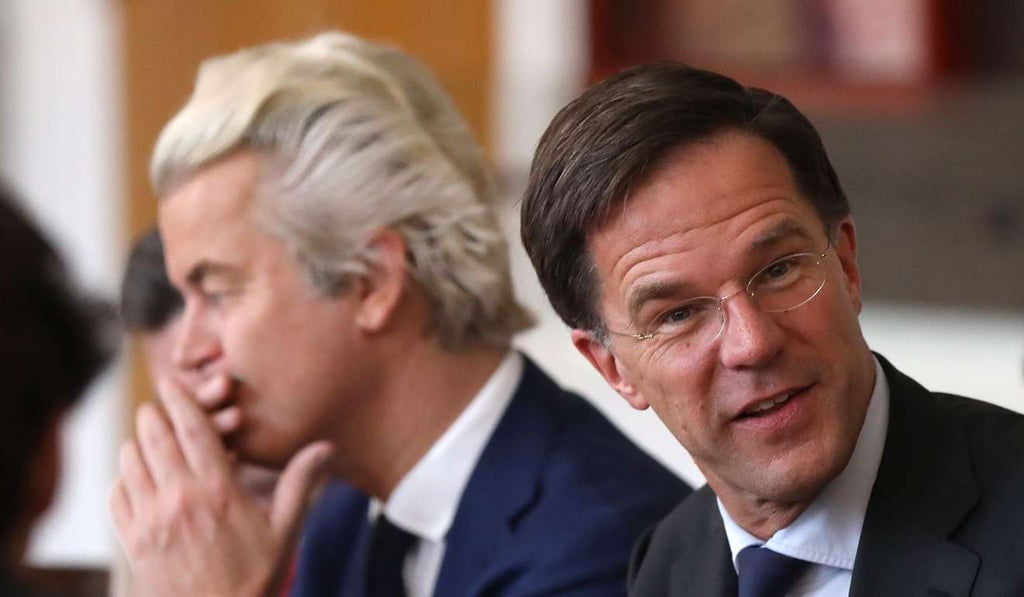
Meanwhile, the conventional wisdom of the stronger US dollar/Europe trade risks being turned on its head. Europe’s election cycle, considered by most forex pundits as the bête noir of the euro single currency, is suddenly looking a lot less menacing. Europe passed the election test in Holland last week and next month’s French presidential vote could well surprise on the upside for the euro.
Even dollar/Asia seems to be losing momentum. China’s worry about being branded a ‘currency manipulator’ seems to have prodded the authorities into drawing a discrete line in the sand to stop further slippage by the renminbi. And worries about the global outlook also seem to be sparking concerns among Japanese investors to return to home waters after the yen’s rout in the second-half of 2016.
Next month’s French presidential vote, September’s German elections, the danger of Trump’s presidency getting badly bogged down and a deeper crisis developing over North Korea all have the propensity to whip up market volatility and leave currency players exposed.