
Inside Out | A city rat’s musings in the country: For better or worse, our fates lie in our urban centres

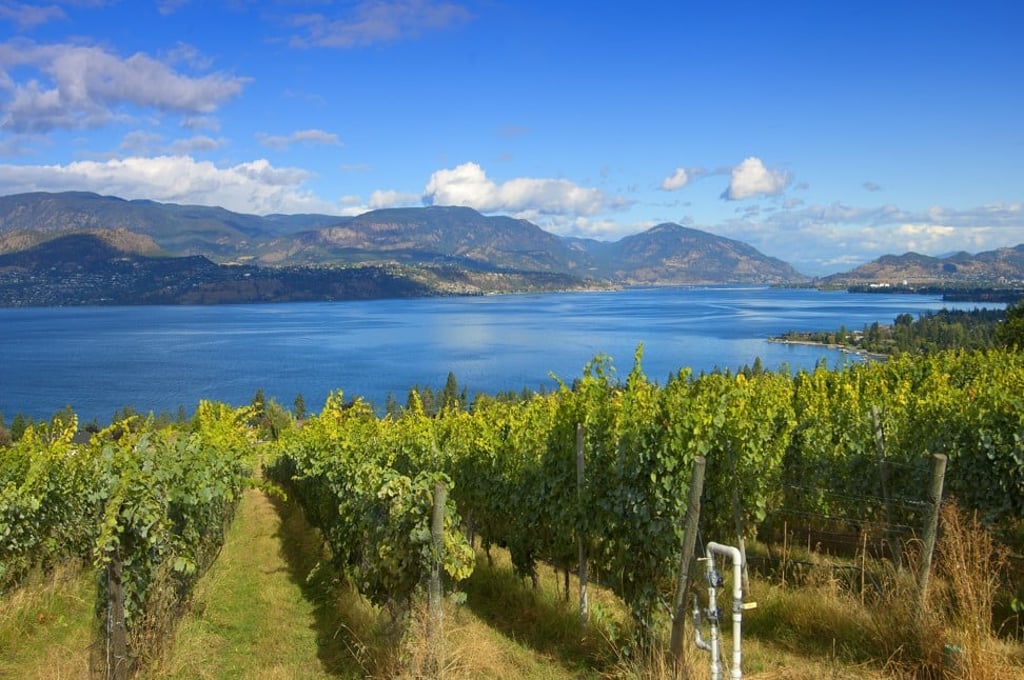
As you read this, I am probably swimming in Lake Shuswap at the top of the Okanagan Valley in British Colombia, half way between Vancouver and Calgary.
The expedition is in part aimed at escaping one of the broader truths of the past decades – that one of the strongest forces driving us forward today is urbanisation.
I am proving two other key forces at the same time: globalisation allows me within the comparative blink of an eye to uplift from the teeming high rises of Hong Kong, or Toronto, or Vancouver, and drop into a nature that has been manicured a little, but has seen few changes in millennia: and digitalisation, that allows me to sit with a laptop in the middle of remote glacial lakes in the Canadian Rockies and still communicate with you.
Because today, for the first time in human history, more people live in cities than live outside them. About 54 per cent of the world’s population live urban lives today, and the United Nations says it will be 66 per cent by 2050. From 1950, when a modest 740 million people lived in cities, we find cities have become home to 3.9 billion people.
Some claim that Rome was in 133 BC the first city in the world to reach a population of 1 million. Not just the word “city”, but also “citizen” and “civilisation” come from the Latin roots civis and civitas (which means city state).