
Look beyond the headline numbers to see China’s economic transformation in progress
China’s rapid structural rebalancing has created polarisations across sectors, industries and markets. A simple average across all is no longer representative of China’s macroeconomic performance.

The notion of having one data metric - like the gross domestic product (GDP) - to capture the performance of an entire economy is becoming increasingly obsolete, particularly for a large, diverse and fast changing economy like China.
The rapid structural rebalancing which China is undertaking has created multifaceted polarisations across sectors, industries and markets. A simple average across all is no longer representative of China’s macroeconomic performance, nor does it do justice to the rebalancing that the economy has achieved.
Take last week’s release of October activity data as an example. Headline growth slowed a tad heading into the fourth quarter, with industrial output, fixed-asset investment and retail sales also losing some steam. But looking beneath these aggregate metrics, a stark divergence was apparent between the “new” and “old” economies.
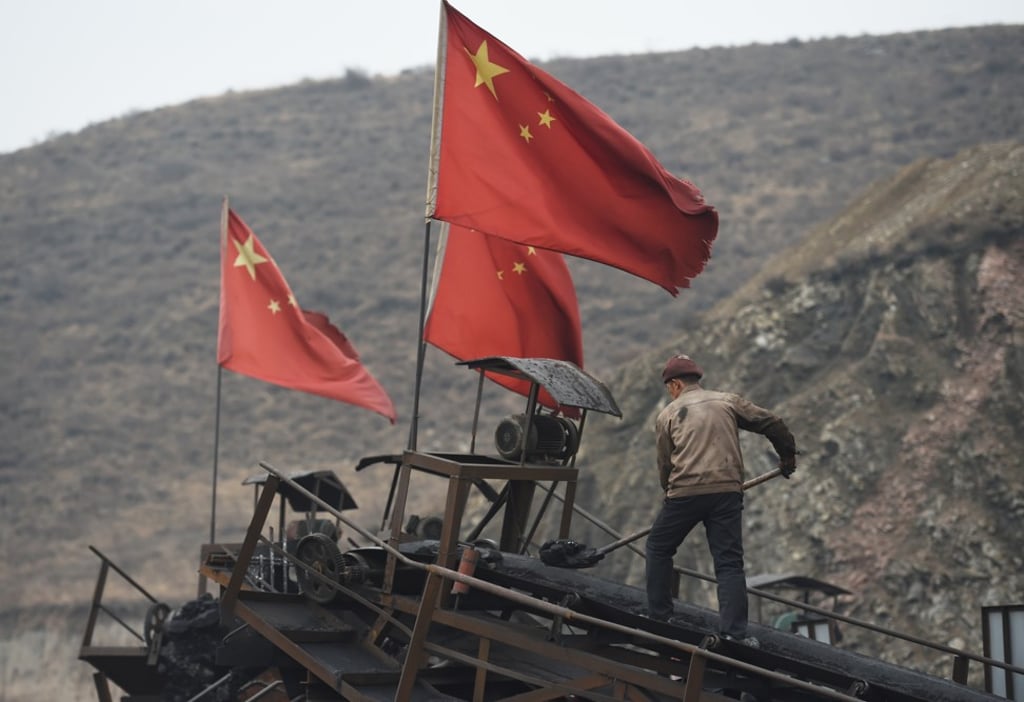
A similar trend is evident in corporate investment. Growth in total fixed-asset investment eased in October, driven by a 2.2 per cent decline in heavy-polluting industries.
However, corporate capital expenditure in hi-tech sectors has continued to climb, up 17 per cent year-on-year. President Xi Jinping’s pledge to foster growth in innovation and cutting-edge technology should ensure that research and development, and hardware investments in these industries will continue to grow at a buoyant pace for years to come.