
MacroscopeHow to survive the coming stock market storm
‘The old poem of the markets used to be ‘sell in May and go away’. For now, a new mantra for this year might be ‘strong markets in July, but a third quarter gives pain, on that you can rely, but return in November again’

It is three full years since I wrote about the seven-year itch in these columns. Sadly, it was nothing to do with the breathless rise of Marilyn Monroe’s skirts blown by the draught of a street-level grill. It was more to do with the close-to-seven-year cycle of market peaks – 1965, 1973, 1981, 1987, 1994, 2000 and 2007; that lasted half a century.
Three years later, it is now 10 years since the global financial crisis and I am periodically following those events in real time, in the hope that maybe we can spot signs that will help us predict the next crash.
In July 2007, I recall being increasingly aware of large, but not household-name, mortgage companies admitting that they were in a spot. Signs of stress were emerging. Freddie Mac, the US Federal Home Loan Mortgage Corp, had announced that it would no longer buy the most risky subprime mortgages and mortgage-related securities.
New Century, a leading subprime mortgage lender, had gone bust and Countrywide Financial Corp, the big daddy of dodgy lenders, had warned us of “difficult conditions”. As professional investors, we were telling our clients that the mighty US economy would take this mainly Southern states proclivity to lend money to impecunious homeowners, without missing a step.
A month earlier, Standard & Poor’s and Moody’s Investors Service, the rating agencies that had done so little to highlight the exploding burden of poor-quality debt, finally bit the bullet and downgraded more than 100 bonds backed by second-layer subprime mortgages. Many of these were credit rated at so-called sovereign quality, AAA, the best you can get – which gullible fund managers had bought for their pensioner-clients. Six weeks later, they put a further 612 securities on their watch list. It was a time where the process, designed to increase financial security, took over and made the financial world substantially less safe.
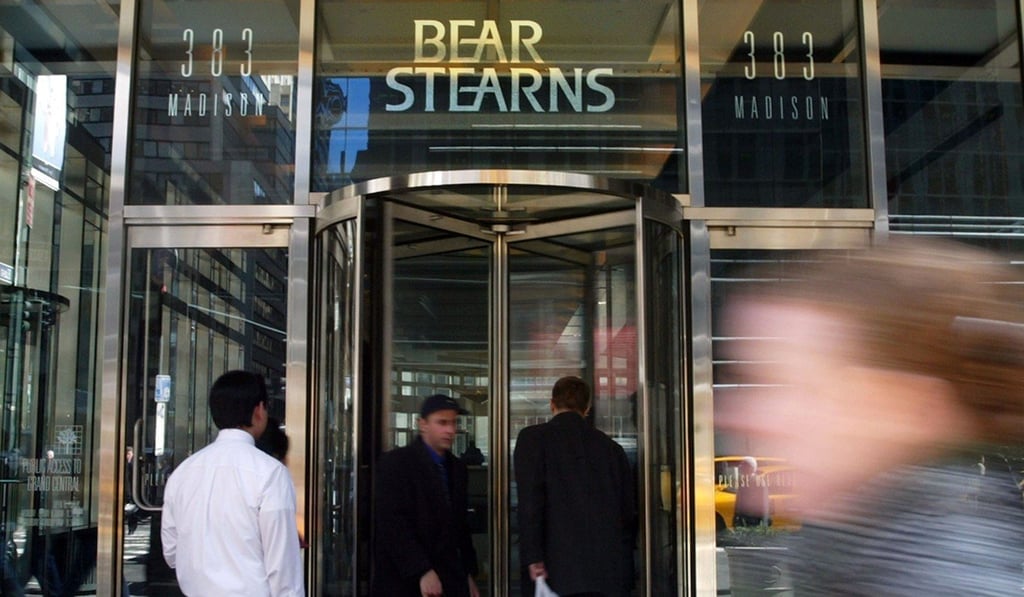
It is unbelievable to think that 10 years (less three days) ago today, Bear Stearns first “gated”, then took the extreme action of liquidating its flagship mortgage-backed securities product, the “High-Grade Structured Credit Strategies Enhanced Leveraged Master Fund”. One of many similar funds with fine names, which, when printed in capitals, made it appear a safe bet.