Advertisement

Turn Hong Kong’s harbourfront into an urban haven for people, rather than cars

Simon Blore believes a network of paths for walking and cycling would reduce carbon emissions and offer Hongkongers a healthier way of life

Reading Time:4 minutes
Why you can trust SCMP
No Caption Available.
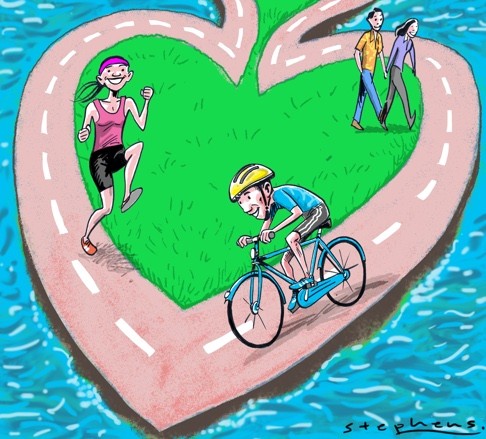
Space for public parks, cycle and running paths are an important addition in any city, to connect the urban and natural world.
In terms of provision for zero-emission travel around our city, Hong Kong has stalled. In the nearly two decades of living here, I have seen Singapore and Seoul climb higher in the liveable city rankings, as Hong Kong falters.
According to the Economist Intelligence Unit’s Global Liveability Ranking 2015, Hong Kong has slipped out of the top 30. Cities that offer a range of recreational activities with green space, cultural assets and unencumbered infrastructure seem to be coming out on top.
It is proven that creating more space for cars does not reduce congestion; it actually induces demand
Comparing Hong Kong’s harbourfront developments to those in cities such as Singapore, Sydney and San Francisco, ours appears disconnected, underutilised and lacks public space and amenities. According to a study by the Harbour Business Forum, only about 31 per cent of land around Victoria Harbour is accessible, where continuous waterfront promenade and landscape areas are provided. The rest is inaccessible largely because of highways. This is being improved on with the West Kowloon Cultural District, Tamar Park and the Wan Chai waterfront, but it is still a largely disjointed picture.

READ MORE: Public-private partnership needed for Hong Kong’s harbourfront to thrive
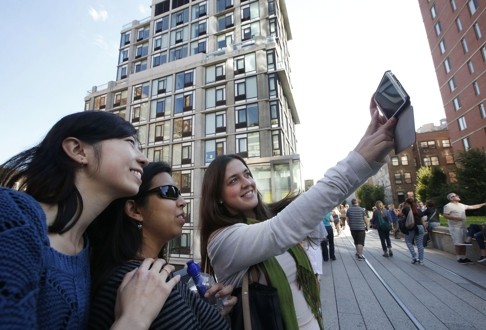
Foreign students in New York pose for a photograph along the High Line. The last stretch of the elevated walkway opened to the public in September. Photo: AP
Advertisement

Space for public parks, cycle and running paths are an important addition in any city, used to connect the urban and natural world. By offering zero-emission alternatives like cycling and walking, car use can be minimised, and health and well-being increased.

We all know that space in Hong Kong is limited, so how do we balance the needs for open space with spaces for buildings and infrastructure?

Advertisement

As New York’s High Line, an elevated park converted from an old railway line, has shown, investment in low-carbon public spaces can and does generate economic returns. Costing US$115 million, the High Line has created an estimated US$2.2 billion in new economic activity along the route and helped rejuvenate the west side of Manhattan. It has also created an estimated 12,000 new jobs and now attracts some 5 million visitors a year.

Closer to home, in Seoul, a once-busy road has been dug up and replaced with an urban park featuring a central canal. Cheonggyecheon is now a top tourist attraction. The waterway helps cool the temperatures in nearby areas, and so acts to reverse the heat island effect that plagues many modern cities. Hong Kong’s stifling summers could certainly benefit from some cooling.

Advertisement
Select Voice
Choose your listening speed
Get through articles 2x faster
1.25x
250 WPM
Slow
Average
Fast
1.25x