To make peace with China, Abe should visit Nanjing for the 80th anniversary of the massacre
Jean-Pierre Lehmann says Japan must move beyond the indefensible amnesia of its aggression against its neighbours during the second world war. A visit by the Japanese prime minister to Nanjing would be a good start


Japan protests as China’s PLA Navy sails near disputed Diaoyu Islands in East China Sea
France and Germany were at war three times in the modern era: 1870-1871 (the Franco-Prussian war), 1914-1918, and in May 1940, when Nazi Germany invaded and occupied France until the liberation of Paris on August 25, 1944. Since then, the political leaders of France and Germany have made a solid and lasting peace. Germans accept their guilt and responsibility; no responsible German would deny that Germany was the aggressor and France the victim, there are no disputes whether over territory (for example, Alsace) or history.
China and Japan were also at war three times in the modern era: 1894-1895, 1931 (the invasion of Manchuria) and 1937-1945. In all three, Japan was the aggressor. While Japanese invaders murdered, massacred and enslaved Chinese civilians and raped tens of thousands of women, no Chinese military boot ever set foot on Japanese soil; there was no Chinese enslavement of Japanese labour, nor any Chinese mass rape of Japanese women.
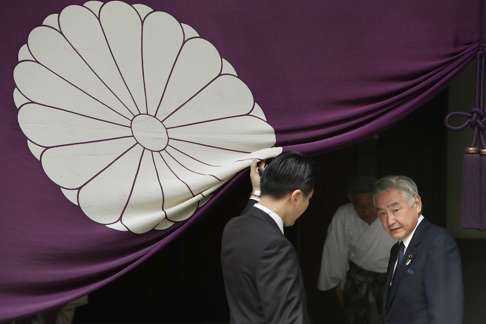
Enough of all this second world war apology talk, young Japanese say
Yet, as highlighted in the excellent book by Ian Buruma, Wages of Guilt, memories of war in Germany and Japan differ radically. Whereas negationism of the Holocaust is a criminal offence in Germany, contemporary denial of atrocities committed by Japanese is widespread. No less a figure than Shintaro Ishihara, governor of Tokyo from 1999 to 2012, has repeatedly denied that the 1937 Nanking massacre – which witnessed the widespread slaughter and torture of Chinese civilians and the rape of Chinese women – occurred. Imagine the mayor of Berlin denying the existence of Auschwitz! Not only would he have been condemned by other German politicians, but the citizens of Berlin would have demonstrated in outrage. Not only were there no condemnations or demonstrations in Tokyo, but Ishihara was repeatedly re-elected.
The visits by senior politicians to the Yasukuni Shrine, where “the souls” of a number of Japanese war criminals “repose”, including in 2013 by Prime Minister Shinzo Abe himself, demonstrate a combination of offensiveness and Japanese amnesia.
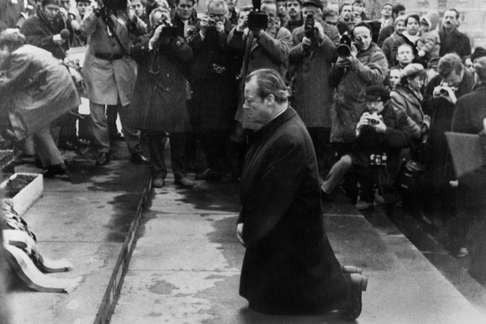
The real value of a Japanese apology
No German youth today would be ignorant of the crimes committed by her forebears during the Nazi period. This would not be true of Japanese youth or indeed members of Japanese generations born after the war. Often, Japanese acknowledge that they first learned of these atrocities while studying abroad. This is in good part because Japanese school history textbooks have been repeatedly revised and whitewashed. Pages dealing with the more barbaric sides of the war are deleted or downplayed.