What will guide China’s response to the South China Sea tribunal ruling?
M. Taylor Fravel says Beijing is likely to study the specifics of the Permanent Court of Arbitration decision and carefully watch the reactions of others, including the US, before deciding how it should act

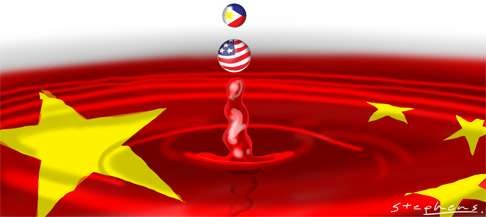
How Beijing will respond to any adverse ruling animates conversations in Washington, DC and capitals around Asia. The mainstream view is that China is likely to undertake some significant action, to demonstrate that it rejects the tribunal’s decision as well as to punish the Philippines and deter other states from pursuing similar cases. The two most discussed actions include initiating land reclamation at Scarborough Shoal or declaring an air defence identification zone over the South China Sea.
UN chief appeals for peace as US and China step up patrols in South China Sea
Yet, how China will respond is probably the product of more complex calculations in Beijing.
As Paul Gewirtz has recently noted, the tribunal itself will not resolve all the issues at stake in the South China Sea disputes over sovereignty and maritime jurisdiction. First, it cannot rule on the most fundamental issue – the sovereignty over the islands, rocks and reefs that make up the contested Spratly Islands. As the Law of the Sea is an international treaty that created a regime for governing the oceans, the tribunal can only consider questions relating to the interpretation of the treaty and the zones of maritime jurisdiction it created. Because the treaty specifically omits territorial disputes, the tribunal lacks jurisdiction to adjudicate on the claims between China and the Philippines over the sovereignty of the islands.
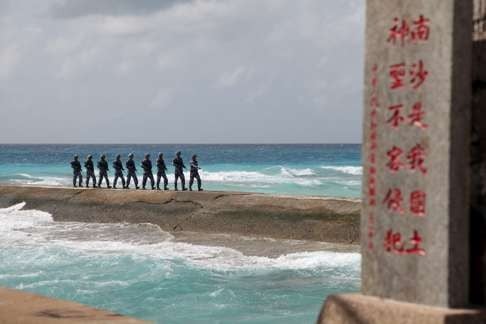
A UN ruling against China won’t help resolve the South China Sea dispute with the Philippines
Second, the tribunal’s award will avoid any question of maritime delimitation or boundaries. The reason is procedural: under Article 298, the treaty allows states to exclude maritime boundary delimitations from the convention’s compulsory dispute resolution. Given that China issued such a reservation in 2006, the tribunal cannot consider any question of possible maritime delimitation.