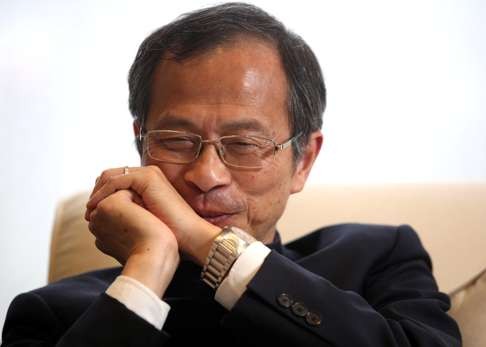
Opinion | Farewell, Jasper Tsang – the city’s most intelligent politician
Gary Cheung says Tsang has moved from Beijing loyalist to advocate of a more lenient approach to relations between Hong Kong and the mainland

This Wednesday, Jasper Tsang Yok-sing will chair the last weekly meeting of the current term of the Legislative Council in the capacity of its president. Barring any accident, Tsang’s three-decade political career will come to an end. He will teach parliamentary procedures at the Chinese University starting from September and continue his work at his think tank.
In deeply divided Hong Kong, one of the few things different political factions can agree on is that Tsang is arguably the most intelligent and colourful politician in the city.
How can we resolve the conflicts in Hong Kong and ensure ‘one country, two systems’ thrives?
In 1968, he graduated with first class honours from the University of Hong Kong’s mathematics department, and received offers from four prestigious universities in the United States for further studies. But he declined those offers and instead joined the pro-Beijing Pui Kiu Middle School as a teacher.
Tsang has been a staunch defender of Beijing’s policies towards Hong Kong since he founded the Democratic Alliance for the Betterment of Hong Kong in 1992. But he turned himself into an advocate of a more lenient approach in handling Hong Kong affairs after taking up the Legco presidency in 2008.