A measure of happiness: Canada’s well-being index could be just what Hong Kong needs
Susan Elliott and Paul Yip say Hong Kong has achieved high GDP with low unemployment, but our well-being in such a competitive society has been neglected. A Canadian initiative may show the way

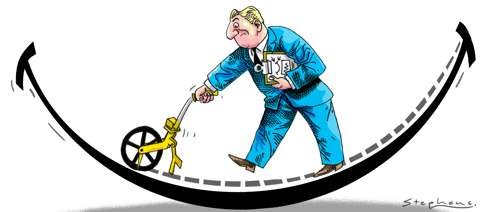
Since 1944, UN member states have used the gross domestic product as the standard measure of the economic well-being of their population. There has been debate about the use and usefulness of such a measure; does it really measure the well-being of people? To be fair, the primary architect of GDP – Simon Kuznets – understood its limitations. According to him: “Economic welfare cannot be adequately measured unless the personal distribution of income is known. And no income measurement undertakes to estimate the reverse side of income, that is, the intensity and unpleasantness of effort going into the earning of income. The welfare of a nation can, therefore, scarcely be inferred from a measurement of national income.”
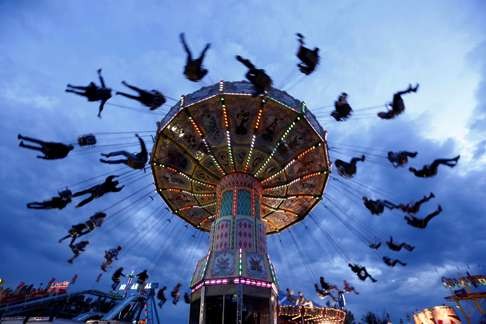
Measuring a country's worth beyond GDP
Three decades later, Robert F. Kennedy went further, noting that the gross national product “does not allow for the health of our children, the quality of their education or the joy of their play. It does not include the beauty of our poetry or the strength of our marriages, the intelligence of our public debate or the integrity of our public officials... It measures neither our wit nor our courage, neither our wisdom nor our learning, neither our compassion nor our devotion to our country. It measures everything, in short, except that which makes life worthwhile”.
So, what does make life worthwhile? We borrow a definition from Angus Deaton, the winner of the 2015 Nobel Prize for economics. Well-being, he says, refers to “all of the things that are good for a person, that make for a good life”. It includes “material well-being, such as income and wealth; physical and psychological well-being, represented by health and happiness; and education and the ability to participate in civil society through democracy and the rule of law”.
How is well-being to be measured? Understandably, such a measure will differ from place to place, allowing for the local context. For Hong Kong, Canada’s model of measurement may be instructive.
The Canadian Index of Well-being was 11 years in the making and involved consultations with people across the country, and a virtual army of researchers to develop domains for focus and indicators for measurement. The result is 64 indicators across eight domains: education, healthy populations, leisure and culture, time use, community vitality, living standards, environment and democratic engagement.