Despite this unhappy South China Sea ruling, Beijing must not turn its back on international law
Cary Huang says China must understand that the international legal system offers more benefit than harm to its peaceful rise, as it will enable diplomacy instead of military conflict

A landmark ruling that denied China’s sovereign claims to most of the South China Sea is the biggest diplomatic failure in Chinese history in regard to the damage done to China’s “core interests”.
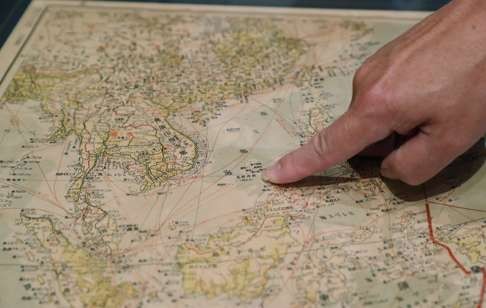
The Permanent Court of Arbitration in The Hague on July 12 ruled unanimously in favour of the Philippines, against Chinese claims to huge swathes of the strategically important waterway. The ruling is “final and binding”, the verdict reads, which means China “legally lost” the two million square kilometres of sea encompassed by its “nine-dash line”.
It is a hard slap in the face of the leadership’s aggressive diplomacy of recent years
It is not just about national pride, but also about a nation’s exclusive rights to natural resources in the surrounding seas and beneath the seabed, and about its sovereign right to manage the ships and aircraft of other nations passing through the area, which contains some of the world’s busiest sea lanes.
It is also a hard slap in the face of the leadership’s aggressive and assertive diplomacy of recent years, as they abruptly abandoned the “hide and bide” diplomacy initiated by the late Deng Xiaoping (鄧小平) and implemented by his two anointed successors.
The tribunal also condemned China for having “aggravated” tensions, “violated” Philippine sovereign rights and having caused “permanent irreparable harm to the coral reef ecosystem” by constructing artificial islands.
The government apparently failed to take pre-emptive action to prevent such proceedings, despite the vast majority of international legal experts warning beforehand that as far as “jurisprudential evidence” was concerned, China’s claim to historical title was invalid.