Come September, a world in crisis will look in vain to the G20 for leadership
Andrew Sheng says despite the best efforts of its Chinese hosts, the G20 summit is unlikely to produce a coherent response to any of our critical problems, given current geopolitical rivalries and the turn to radicalism


In his welcoming address to finance ministers and central bankers meeting in late July, Premier Li Keqiang (李克強) argued that, in a period of slowing global growth, the priorities are: strengthening macroeconomic policy coordination; a big push in structural reforms aimed at innovation, deregulation, more competition and greater openness; and, improved global economic and financial governance.
G20 in Hangzhou: The face of China’s heritage, achievements and aspirations
Such a list of noble objectives is expressed in language that the Americans and Europeans can easily support, in terms of making “the global economic system more fair, just and open”. However, the reality of an “innovative, invigorated, interconnected and inclusive world economy” is somewhat more complicated.
While the world is more interconnected than ever, and no one can argue against more innovation, the world economy is neither invigorated nor inclusive. Inequality is worsening everywhere and when humans migrate from failed states to more successful economies, barriers are coming up. Brexit occurred largely because of British fears of being overwhelmed by open borders. If you fully believe the language of US presidential candidate Donald Trump, America is becoming more isolationist and de-globalisation is in the air.
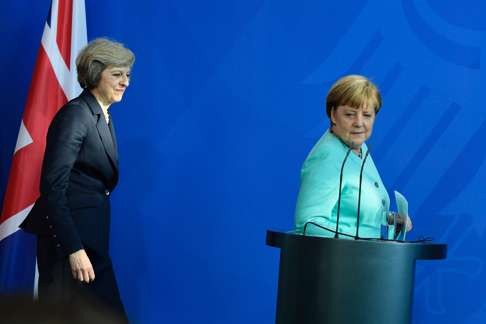
Thanks to Brexit, a new global financial crash is looming
There are simply too many factors working against invigoration, whether global or national.