
OpinionChina needs to re-examine its diplomacy skills to ease regional tensions
Cary Huang says Beijing must look at why its charm offensive is not going to plan, as alarmed neighbours lean towards the US in seeking a counterbalance

China’s leaders have been at great pains to reassure the world of the country’s peaceful rise, and the international community of its intentions to uphold the existing world order.
Under his “neighbourhood diplomacy” initiative, President Xi Jinping ( 習近平 ) sees building a friendly region as key to realising the Chinese dream of national rejuvenation. Policymakers have also launched charm offensives, with the creation of new institutions such as the Asian Infrastructure Investment Bank and the New Development Bank, and the “One Belt, One Road” blueprint to help promote China-centric regional integration.
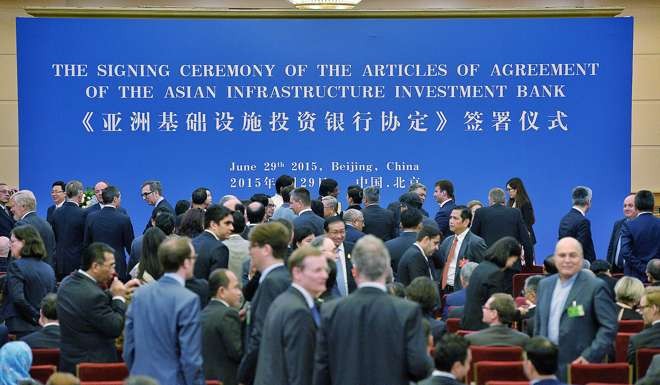
AIIB will test China’s ability to run an international organisation
However, Beijing’s relations with major regional players Japan, South Korea, India and Australia, and most nations in the 10-member Asean, have all suffered major setbacks, despite a sharp increase in commercial links.
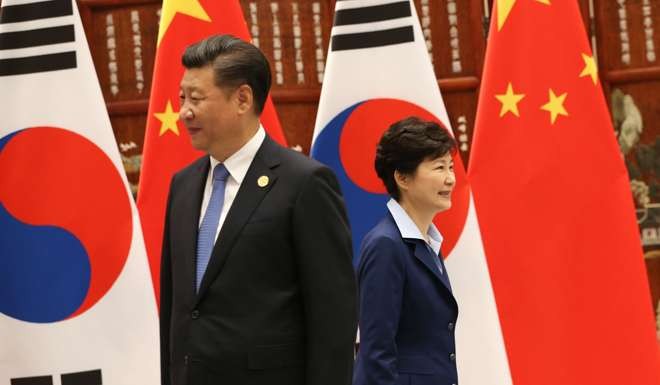
Relations with most of its 14 land neighbours are not stable, either. Ties with India have suffered following Beijing’s opposition to New Delhi’s quest for membership of the Nuclear Suppliers Group. Suspicions have grown over Australia’s close military cooperation with the US. (While Australia is not an Asian nation, Oceania is a major regional player).
It is understandable that China’s rising clout causes anxiety in the region, whether due to its sheer size, its unique position as the last major communist-ruled nation, or historic misgivings. Rising rivalry between the US, the world’s sole superpower, and a rising China also complicates geopolitics.