OpinionWith its latest intervention in Hong Kong, Beijing wins the battle but is losing the war
Gary Cheung says the NPC should be sparing in the use of its power to interpret the Basic Law, or it risks further alienating the city’s young people

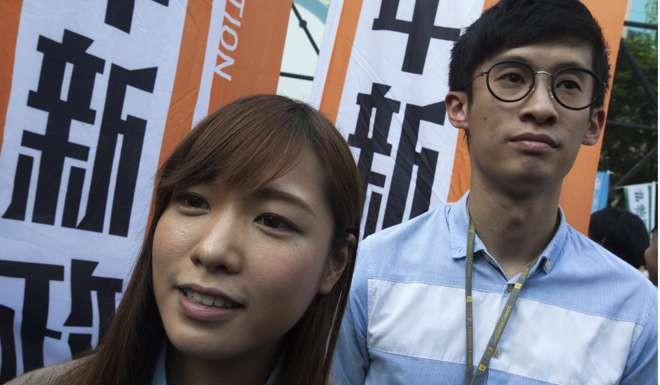
Hongkongers’ fears about another interpretation of the Basic Law by the National People’s Congress Standing Committee came true last Monday. The ruling can certainly kick out Youngspiration lawmakers Baggio Leung Chung-hang and Yau Wai-ching from the legislature, but Beijing is likely to lose more ground in its battle to win the hearts and minds of Hong Kong people.
Common sense and cool heads needed from all sides in the Legco oaths controversy
NPC interpretation adds nothing new to Hong Kong law, and is wholly unnecessary
Beijing’s decision to interpret the Basic Law indicated its distrust in Hong Kong’s courts, which may not hand down the judgment it favours. But, in fact, Mr Justice Michael Hartmann ruled in a 2004 case that if someone takes the oath in a manner that is inconsistent with the ordinance, thereby altering the substance of the oath, that would be in breach of Article 104 of the Basic Law and therefore would have no legal effect.
It is a legitimate expectation that Beijing should exercise self-restraint and use the power to interpret the Basic Law sparingly
It is true that, after the handover, the Standing Committee can do whatever it likes. But it is a legitimate expectation that Beijing should exercise self-restraint and use the power to interpret the Basic Law sparingly. “One country, two systems” is the product of a political compromise made by Beijing, which recognised in the early 1980s that it would be a failure if the communist system was applied to Hong Kong after 1997.