Advertisement
How the battle to axe the illegal timber trade is being won
John Scanlon says the success of Cites in helping to ensure legal and sustainable global trade in timber indicates the benefits of a limited but well-targeted approach
2-MIN READ2-MIN

On January 2, new rules related to the Convention on the International Trade in Endangered Species of Wild Fauna and Flora (Cites) take effect, bringing hundreds of additional timber species under its legally binding global trade controls.
Conferences, declarations and reports highlight the scale of the challenge of sustainably and legally regulating trade in valuable timber. Yet, there is only one international agreement that obliges states across the value chain to ensure legal and sustainable trade in timber, and that is Cites.
100-fold rise in seizures of illegal ‘red gold’ timber
And as the world continues to strive to find better ways to ensure that precious forest resources are legally sourced, managed sustainably and protected from industrial scale theft and overexploitation, it is increasingly turning its attention back to this remarkable global agreement negotiated way back in the 1970s . Cites was described in the UN’s first-ever World Wildlife Crime Report as an agreement of “remarkable power and scope”.
Advertisement
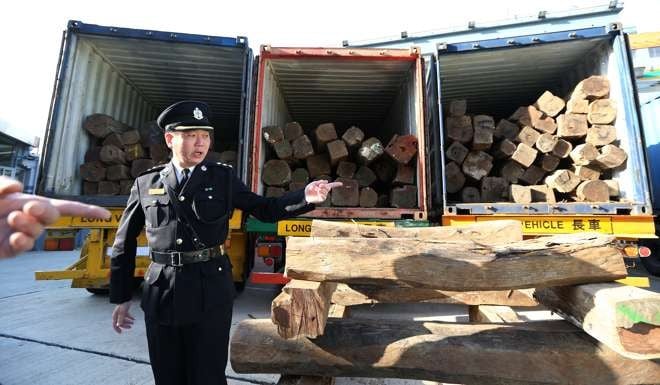
Hong Kong customs seizes 92 tonnes of endangered rosewood
In 2013, certain highly valuable rosewood species were brought under Cites controls. Such trade now needs Cites permits, and is only allowed when range states, or countries within the natural range of distribution of a species, have made a scientific “non-detriment finding” and determined that the timber was legally acquired.
Advertisement
Advertisement
Select Voice
Select Speed
1.00x