Advertisement
China economy
Opinion

It’s all or nothing for China as trade collision with the US looms

Andy Xie says rising US interest rates and China’s property bubble at bursting point, coupled with renminbi depreciation fears, are set to whip up the perfect storm. But China could make the decision to change, and make 2017 a year of breakthrough

Reading Time:4 minutes
Why you can trust SCMP
Andy Xie says rising US interest rates and China’s property bubble at bursting point, coupled with renminbi depreciation fears, are set to whip up the perfect storm. But China could make the decision to change, and make 2017 a year of breakthrough
Andy Xie
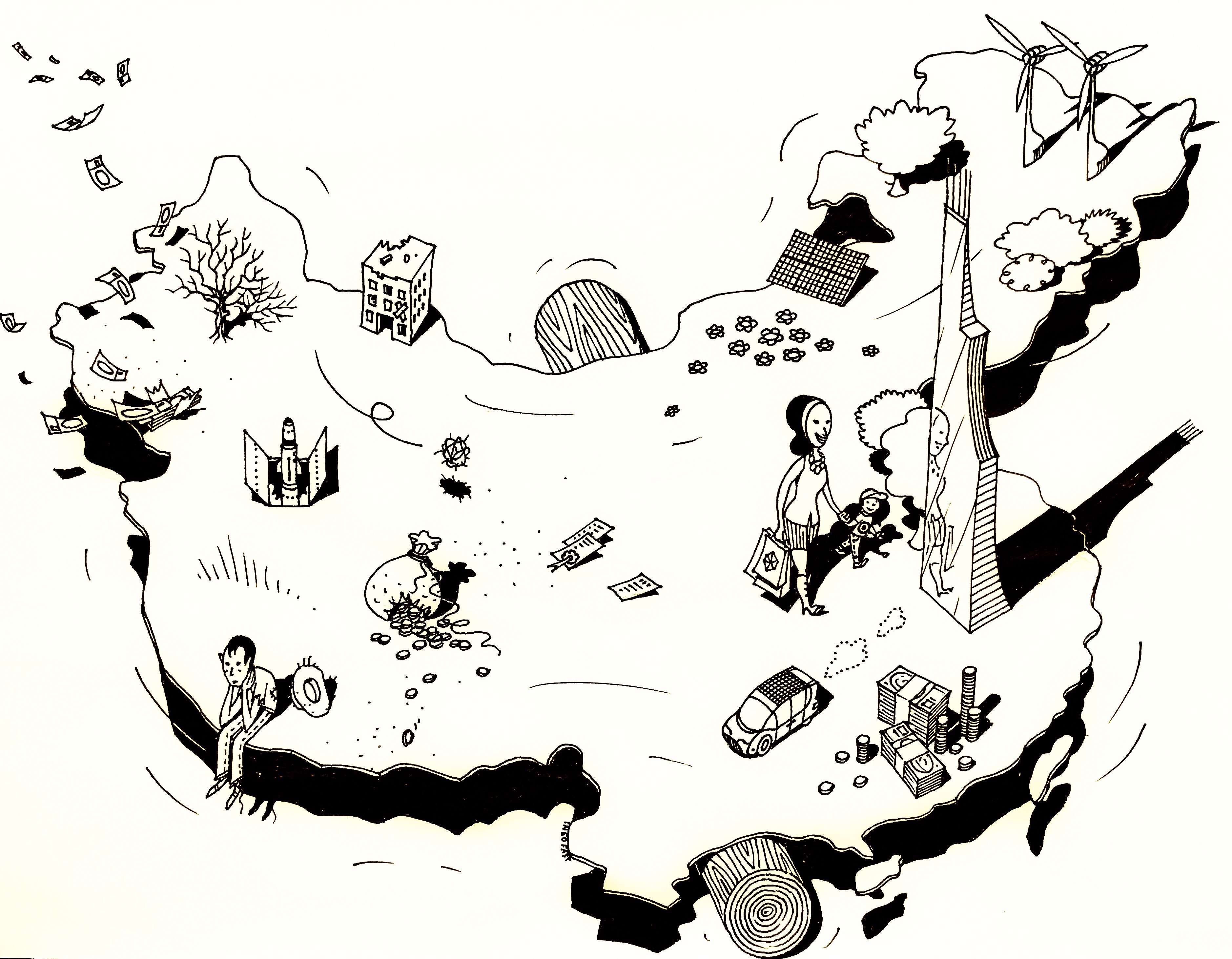
The best-case scenario would be that China holds up the currency, accepts the bursting of the property bubble, and embarks on fundamental restructuring to ultimately lead the global economy. The worst-case scenario would see a maxi-devaluation of the renminbi, coupled with a China-US trade war that could spiral into military conflict. Illustration: Ingo Fast
The anti-globalisation backlash and rising US interest rates are conspiring to make 2017 the year of living dangerously. On the cyclical side, China’s property bubble is set to clash with the rising interest rate. On the structural side, the incoming Trump administration will clash with China on its currency policy and other trade practices.

The best-case scenario would be that China holds up the currency, accepts the bursting of the property bubble, and embarks on fundamental restructuring to ultimately lead the global economy.

The worst-case scenario would see a maxi-devaluation of the renminbi, coupled with a China-US trade war that could spiral into military conflict.

Advertisement
The US Federal Reserve has just raised key interest rates by 25 basis points, and signalled that three more are to come in 2017. The US domestic economy warrants much higher interest rates. But rapid hikes in the US interest rate have always caused emerging market crises, because emerging economies usually increased credit rapidly during times of declining US interest rate.

Watch: How the Fed rate hike impacts Asian markets

This time may not be different. The higher US interest rate and infrastructure stimulus would suck liquidity out of emerging economies. This is happening at a most inconvenient moment for China. Its property bubble is already at bursting point, while expectations of currency depreciation are already draining liquidity.

Advertisement
Select Voice
Choose your listening speed
Get through articles 2x faster
1.25x
250 WPM
Slow
Average
Fast
1.25x