Why the world has reason to fear Donald Trump’s trade tantrums
Donald Kirk says the White House’s tough stance on so-called currency manipulators aims to deliver on campaign pledges on jobs and the economy, but a global trade war would portend conflict of a far worse kind
US President Donald Trump’s most fearsome offensive on the world stage has nothing to do with immigration reform, building a border wall with Mexico – or even defence or treaty alliances. It’s all about US trade relations with the rest of the world.
All that other stuff isn’t going to affect most Americans directly. The hassle over refugees doesn’t faze people too much on a personal level, nor do Americans worry a lot about US treaty alliances that shield them from their enemies.
Trade with the rest of the world, however, is another matter. That’s where the money and jobs are, and Trump won over rust-belt states with his promise to “make America great again” – with its vision of bringing back jobs, economic security and upward mobility for the middle and working class.
Advertisement
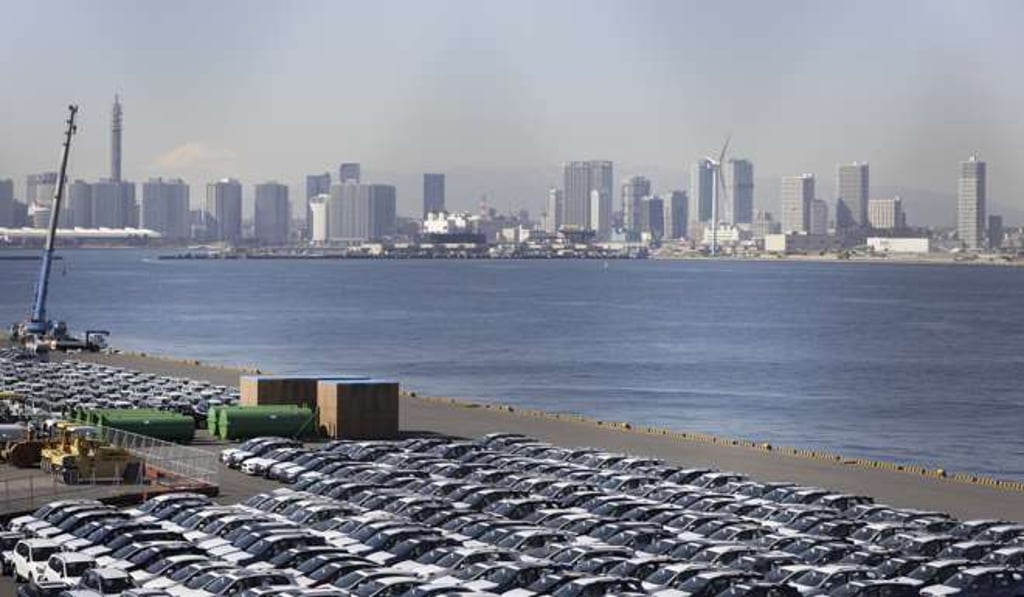
Automaker Fuji Heavy Industries’ Subaru vehicles bound for shipment at a pier in Yokohama, Japan, on January 26. Japanese Prime Minister Shinzo Abe signalled that he is open to a bilateral trade deal with the US after Donald Trump formally withdrew from the 12-nation Trans-Pacific Partnership in one of his first acts as US president. Photo: Bloomberg
So what is Trump going to do about it? Right off, he and his aides are talking about currency reform – not of the American currency but that of a host of other nations which they say is undervalued. They’re convinced that if only China, Japan, Germany, Korea and a few others raised the exchange rates of their currencies, they would no longer pour out their products at bargain prices in the US, undercutting if not destroying American rivals and costing jobs.
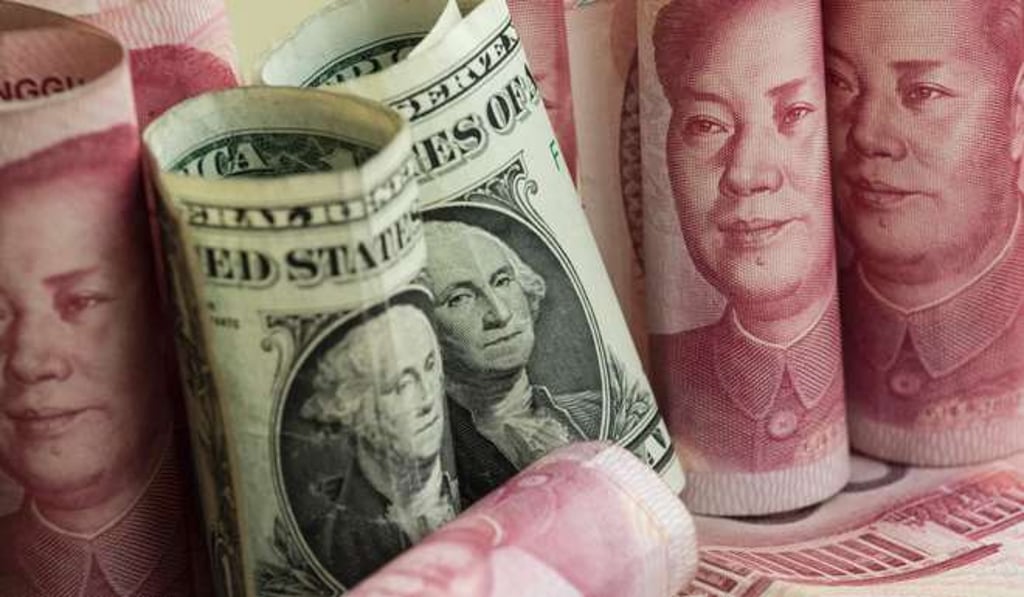
China raised the exchange rate for the yuan against the US dollar by 0.92 per cent from the previous day on January 6, in the biggest one-day increase since 2005. China in 2016 accounted for 60 per cent of the overall US trade deficit. Photo: AFP
That argument is easy to understand. The US trade deficit is out of control. Last year, China made US$347 billion from the US market, accounting for 60 per cent of the overall US trade deficit. Trump’s trade adviser, Peter Navarro, has singled out China, as well as Germany and Japan, as currency manipulators. Japan’s trade surplus with the US last year was nearly US$70 billion, with Germany’s at around US$65 billion. Combine that with an American national debt of nearly US$20 trillion and it is plain to see why Trump is threatening a trade war by slapping protective tariffs on China.