Why the real quarrel between Beijing and Seoul isn’t about THAAD
Cary Huang says China’s need to keep North Korea as a communist ally leaves South Korea with little choice but to turn to America to bolster its defence

The bitter confrontation between China and South Korea in the wake of Seoul’s adoption of a US-built anti-missile defence system, designed to protect against a nuclear attack from the North, has seen relations sink to their lowest level since the establishment of diplomatic ties in 1992.
In response to the deployment of the US-developed Terminal High Altitude Area Defence (THAAD) system on Korean soil, China has launched or instigated a series of protests and retaliation, including the boycott of Korean products from cosmetics to TV soap operas, and the threat of a suspension of diplomatic ties.
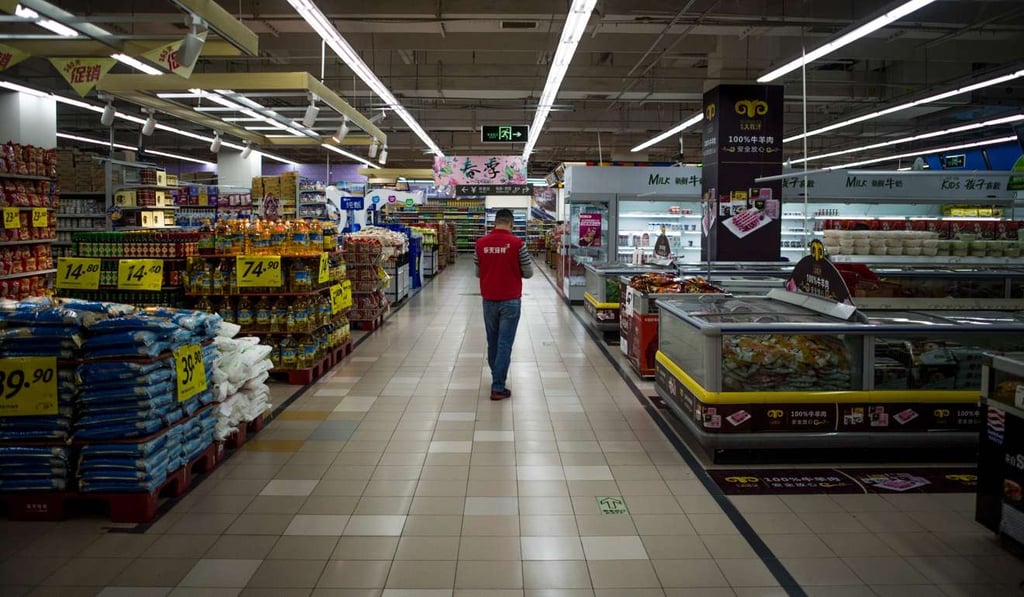
The two countries have good reason to maintain warm relations, in view of their close historical bond, deep economic integration and shared aspirations for regional stability. China is South Korea’s largest trading partner and a critical stakeholder in many bilateral and regional issues. Beijing also sorely needs Seoul’s help to stabilise the fragile situation in northeast Asia, in the face of its rivalry with Japan and the challenges posed by self-ruling Taiwan.
Beijing’s bottom line is to keep the Kim dynasty afloat
However, while South Korea relies heavily on China economically, for military protection against a nuclear-armed North Korea, it has to turn to the US, given China’s reluctance to tame its communist ally.