
The double standards at work over extradition treaties with China
Western countries are guilty of hypocrisy when they refuse such deals with Beijing yet sign them with countries with questionable standards of justice and rule of law

The rule of law makes democracy work. But democracy itself doesn’t guarantee the rule of law. Yet, many Western countries seem to forget this truism, and are happy to adopt double standards when it comes to negotiating reciprocal extradition agreements with China.
Ottawa and Canberra, for example, have extradition treaties with Mexico and Ecuador. Australia has such arrangements with Turkey and Venezuela while Canada has one with Thailand. All these countries have lower rankings than China in the 2016 rule of law index compiled by the Washington-based World Justice Project. At 66, the world’s largest democracy, India, is only slightly ahead of China (80) on the index. It too has reciprocal extradition with Canada and Australia, yet is often subject to similar criticisms by independent international bodies over governance, rule of law and corruption.
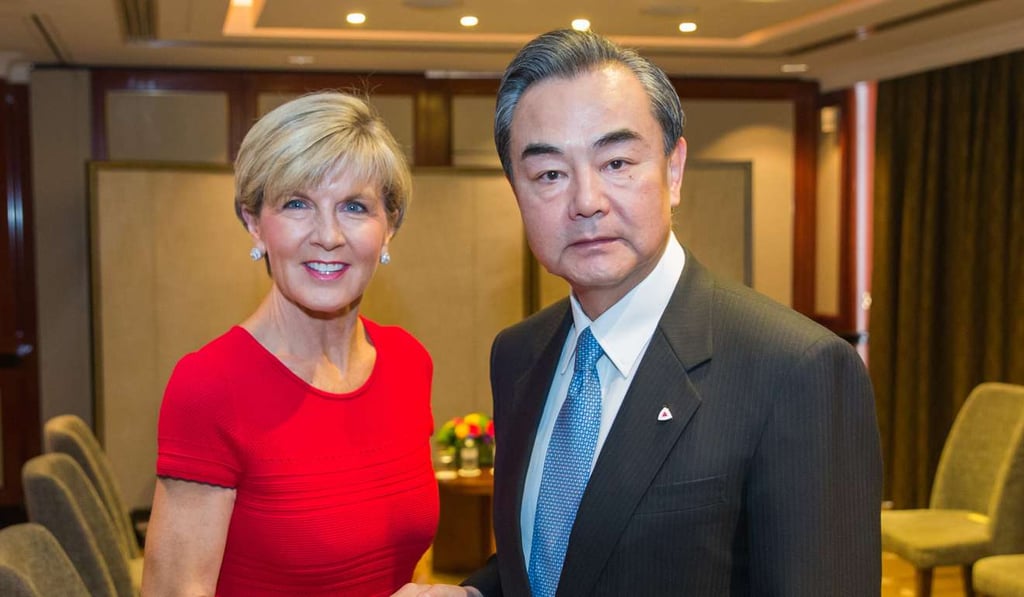
The Australian foreign minister, Julie Bishop, has explained perfectly why it is untenable to refuse such agreements with China.