China’s aircraft carrier will enhance global security
The creation of a blue-water navy will improve the country’s defence, protect national interests and keep sea lanes safe for commerce

The yet-to-be-named 315-metre-long vessel joins the Liaoning, the country’s first carrier, which was launched in 2011 after being bought from Ukraine as a hulk and refitted. It is scheduled to be operational by 2020 and furthers the shift in focus for the People’s Liberation Army towards putting more resources into naval and air forces. A third carrier is already under construction in Shanghai. President Xi Jinping (習近平), who has made modernising and overhauling the military a priority, has called on commanders to embrace change.
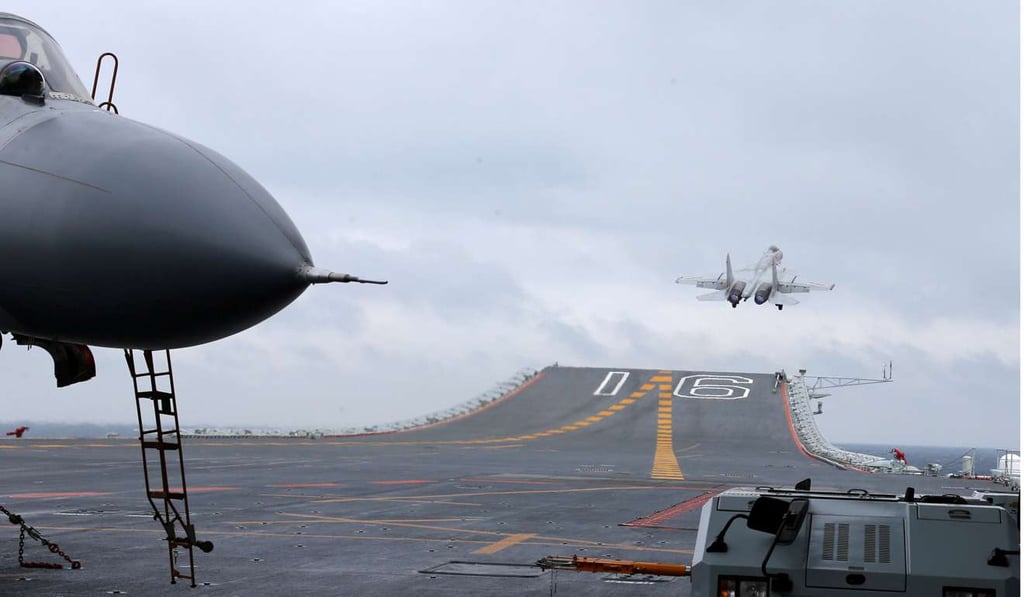
China’s neighbours have expressed concern about the carrier programme. Japan was particularly vocal last December about the Liaoning’s first foray into the western Pacific; the carrier and its support ships ventured east of Taiwan and south of the Japanese island of Okinawa through the Bashi channel to the north of the Philippines before turning and heading west to Hainan Island. But China’s aim is not to cause disquiet; while an aircraft carrier group projects power, it also offers protection and provides help in emergencies. Among the benefits are giving presence along the sea lanes for the “Belt and Road Initiative”, ensuring the safety of trade and people travelling such routes, protecting and assisting in the evacuation of citizens in trouble spots and supporting Chinese economic and political interests.