Asean’s response to Chinese militarisation in the South China Sea? Keep quiet and carry on
Huong Le Thu says the recent summit demonstrates yet again why sweeping contentious issues such as the South China Sea under the carpet will only doom the grouping to irrelevance

When asked in the 1990s what Asean does when it encounters a problem, the then secretary general, Filipino diplomat Rod Severino, said: “First, it may put the problem under the carpet and not highlight it. What is a problem today may cease to be so in the future.” Not much has changed since then.
Despite the tension around the disputes in the South China Sea and their challenge to regional stability, Asean has resisted the pressure to speak or act together. This has undermined its relevance as a regional actor. The most embarrassing display of internal disunity came in 2012 when Cambodia, as acting chair, failed to issue a joint statement concluding the summit. Ever since, each rotating chair has been nervous about losing face like Phnom Penh, and did its best in perfecting the art of mentioning but not addressing the South China Sea “elephant”.
Asean is known to sweep many pressing issues under its carpet. However, as promotion of the Asean Community 2015 (extended now to 2025) goes on, expectations about its self-claimed “centrality” have also grown.
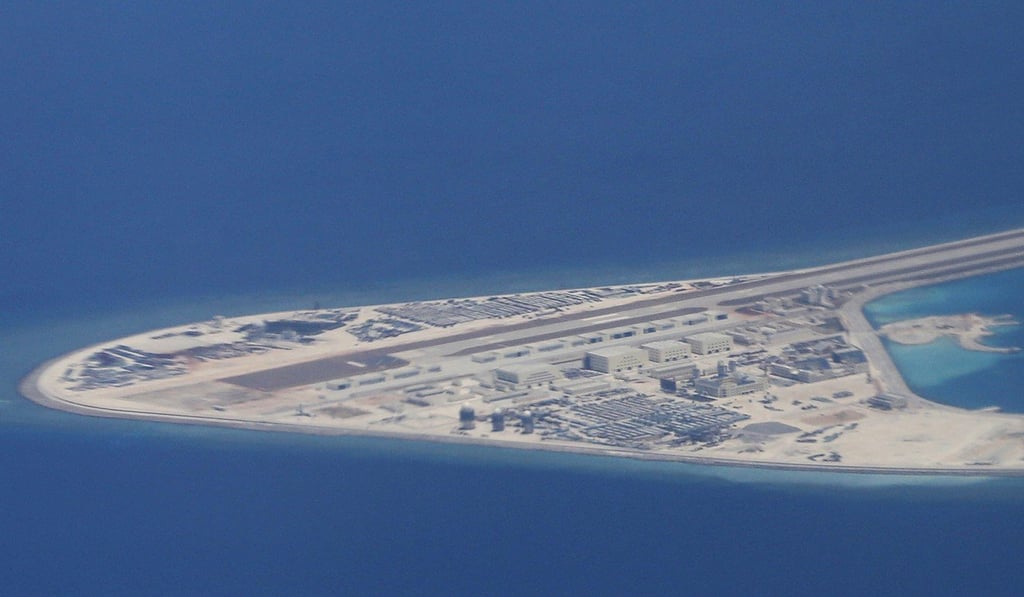
The 30th summit reaffirmed that Beijing’s strategy works. Its statement merely underlined the concerns of some members and, in reaffirming long-term peace and stability, Asean leaders “forgot” the ongoing militarisation of the Chinese islands.