From vegetarianism to full-face burqas: the perils of setting norms in a globalised world
Philip Bowring believes a middle path must be struck when considering how far a society should go in accepting behaviour by religious minorities that do not accord with standards of the community at large. But respect does not mean no criticism

Thus in China, it is broadly permissible to eat anything nutritious in the animal kingdom. That is not to say that eating pangolins and other endangered species should not be outlawed. Nor is it to reject the idea that vegetarianism occupies a higher moral ground than flesh-eating. But it is one which avoids making judgments based either on supposed diktats from god via a self-proclaimed prophet, or confusing moral issues with sentimental ones.
Those horrified with the idea of eating dog or horse should pause the next time they are eating pork. Those who consider eating pork a god-decreed taboo should likewise consider the source of the beef they eat. And those for whom the cow, but not the closely related buffalo, is somehow sacred should consider the fate of the sheep and goats they consume.
Why the world needs to sit up and take notice of India’s war on meat
What once might have been viewed as health-based taboos – for example, the dangers of poisoning from pork which can quickly spoil in the hot climates of the Middle East – became embedded in religions – Judaism and Islam – which originated in this region. Yet they were then transported globally, regardless of circumstance. Eating pork was once as normal in Indonesia as it is today in China and the Philippines – until the arrival of Islam.
These various prohibitions are traditions or means of group identification not based on modern scientific observation. They don’t seem to stand up to the dictum of the great 12th-century Iberian Jewish philosopher Moses ben Maimon (aka Maimonides) that there can be no contradiction between religion and scientific truth. Anything contrary to science cannot be true religion.
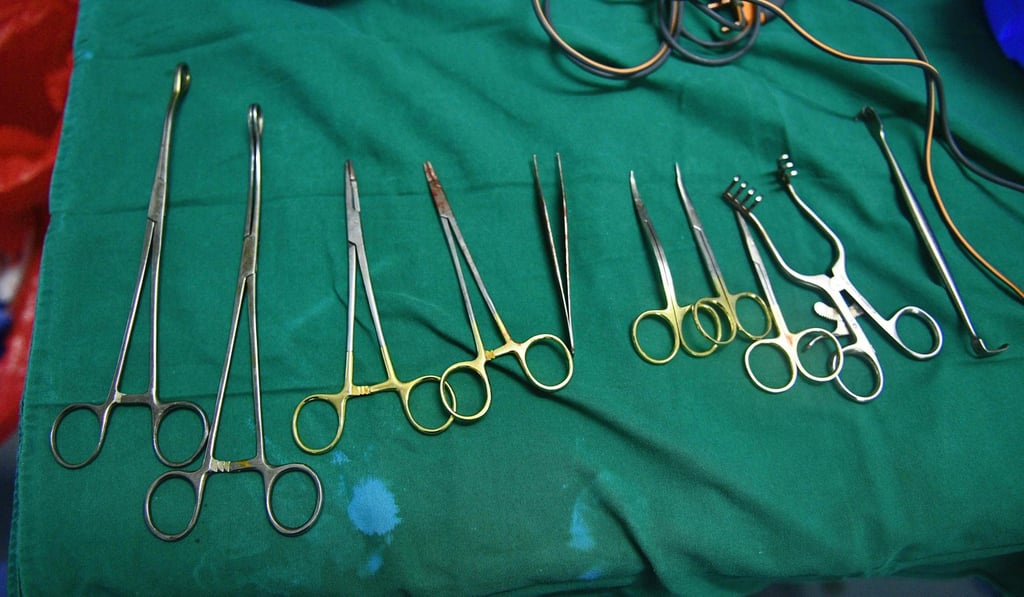
Another merit of the Chinese civilisation is the lack of any general tradition of infant genital mutilation of minors of either sex, the male version known politely as circumcision. (Eunuchs were largely an imperial court phenomenon.) Male mutilation has a long history but its origin among the Semitic tribes of the Middle East enabled it to spread mainly via Islam.
Should halal and kosher slaughter, seen by many as cruel, or infant circumcision, be accepted any more than polygamy?