Noisy Hong Kong needs to fight the risk of hearing loss with better protection
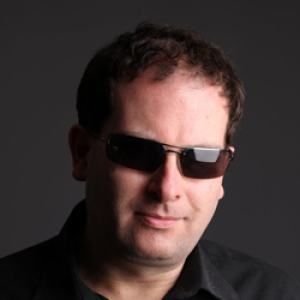
Peter Kammerer is acutely aware of the dangers of prolonged exposure to loud noises, as a visually impaired person who relies greatly on his hearing to get around. And the rest of us should be, too, if hearing experts are to be believed

It was surely comical to onlookers, but not to me. The noise from flat renovations near the Fortress Hill street I was crossing was so loud that I couldn’t make out the audible pedestrian signal to help me make it across safely. More to the point, the sounds barrelling down the narrow, building-lined road were so thunderous, I could barely think. So, deaf and without much thought, I walked head first into a lamp post.
Welcome to the world of the visually impaired in Hong Kong. There’s probably a video circulating online of me that’s getting a smirk or two; whoever may have been watching would have time to get their smartphone ready as I slowed when nearing the corner, and sidled in the direction I thought I needed to go. Unexpectedly, the lamp post got in the way, then a helpful hand grabbed my arm and directed me to where I should have been. Later, on the bus to work, I checked the bruise, the latest of the several I get each week while traversing this city.
Oh for the quiet life: how Hong Kong battles with noise
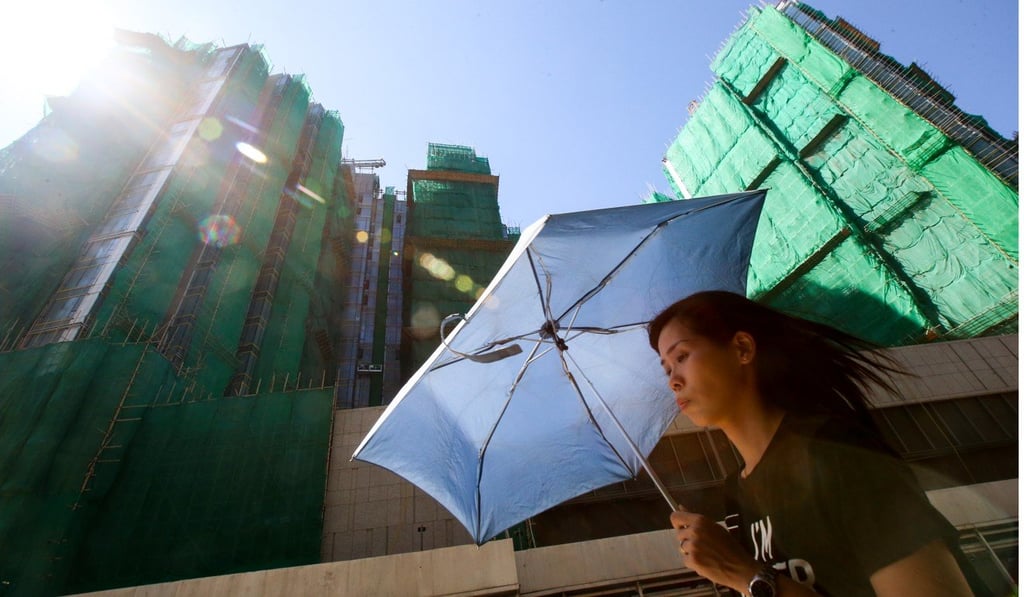
The renovators can’t be blamed; they can make all the noise they need to between 7am and 7pm on any day except Sundays and public holidays. Nor do I have the right to tell them to stop on those occasions when street repairs are being carried out with a jackhammer at far beyond the 85-decibel noise level at which prolonged exposure can damage hearing. When an old diesel bus roars past at 90 decibels, I similarly have no choice other than to cover my ears. For the visually impaired, who compensate for their lack of sight with a greater reliance on hearing, it’s all part of the challenge of solo city travel.
Deaf and without much thought, I walked head first into a lamp post
Number-wise, it’s not a huge demographic. The Hong Kong Blind Union says 174,800 people here, about 2.4 per cent of the population, have difficulty seeing. Of them, 7,800 can’t see at all. I’m in the latter group and rely on my cane to get an idea of where I’m at and hearing to detect open spaces, doorways, sound signals like street crossings, and potential danger.