Advertisement
Hong Kong housing
Opinion

Why Hong Kong’s property market won’t crash – this time

Andy Xie says although Hong Kong’s fragile economy remains unhealthily dependent on the property sector, the asset bubble today is unlikely to burst, as happened after the handover. Stagnation is the bigger worry

Reading Time:3 minutes
Why you can trust SCMP
Andy Xie says although Hong Kong’s fragile economy remains unhealthily dependent on the property sector, the asset bubble today is unlikely to burst, as happened after the handover. Stagnation is the bigger worry
Andy Xie
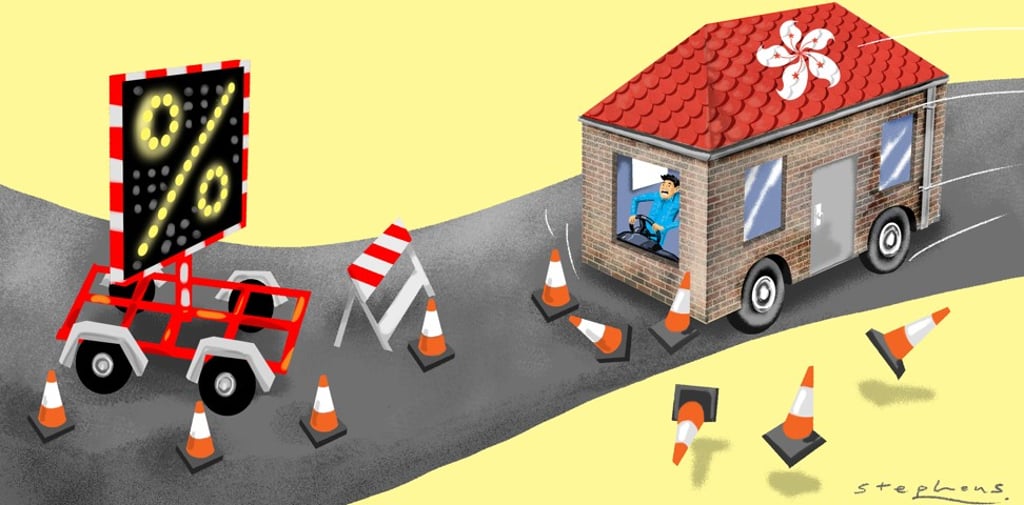
Hong Kong’s property market is likely to behave like Japan’s in the past two decades, not like it did itself two decades ago. Illustration: Craig Stephens
Property is at the centre of everything in Hong Kong today, much like it was 20 years ago on the eve of the handover. Soon after the handover, prices collapsed, hitting rock bottom in the spring of 2003. They have since clawed their way back up, and some. With the 20th anniversary of the handover now upon us, will history repeat itself?

Is Hong Kong’s property market heading for its biggest crash since 1997?

The similarities between now and then are only skin deep. In 1997, Hongkongers were extremely optimistic about the future. Foreigners agreed. The mantra was that China was set for explosive growth, Hong Kong, being China’s window, would be the conduit for all the money flowing to the mainland, and Hong Kong property would rise and rise on that money. Most bubbles occur because people got carried away. Hong Kong in 1997 fell into that category.
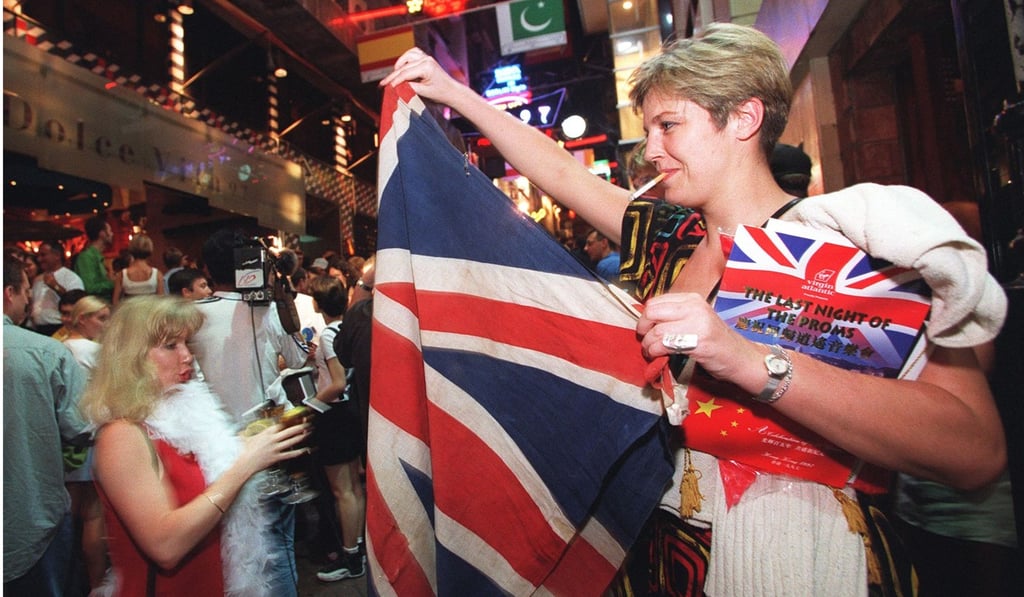
People party in Lan Kwai Fong on June 29, 1997, just ahead of the handover. In 1997, Hongkongers were extremely optimistic about the future. Photo: AFP

When the Thai baht collapsed, it exposed the problems in the East Asian boom. When foreign money pulled out, the Hong Kong property market collapsed. It showed that hot money was the driver for Hong Kong’s property market, not growth.

Advertisement

The collapse of the bubble exposed a greater challenge facing Hong Kong’s economy. The city prospered on China being closed. Arbitraging on China’s inefficiencies was the foundation of Hong Kong’s prosperity – being in Hong Kong offered a seat on the gravy train. The Hong Kong government taxed the privilege through high property prices to fund itself.

Watch: Why is Hong Kong housing so expensive?

Hong Kong government an ‘accomplice’ in skyrocketing home prices

Advertisement
Select Voice
Choose your listening speed
Get through articles 2x faster
1.25x
250 WPM
Slow
Average
Fast
1.25x