Innovation laggard Hong Kong needs to update its laws
Albert Cheng says examples abound of how the city is falling behind other Asian economies, including Singapore and Japan, in accommodating the sharing economy

Many of our laws and regulations are so outdated that they have become a major stumbling block in Hong Kong’s much talked-about efforts to become a city of innovation.
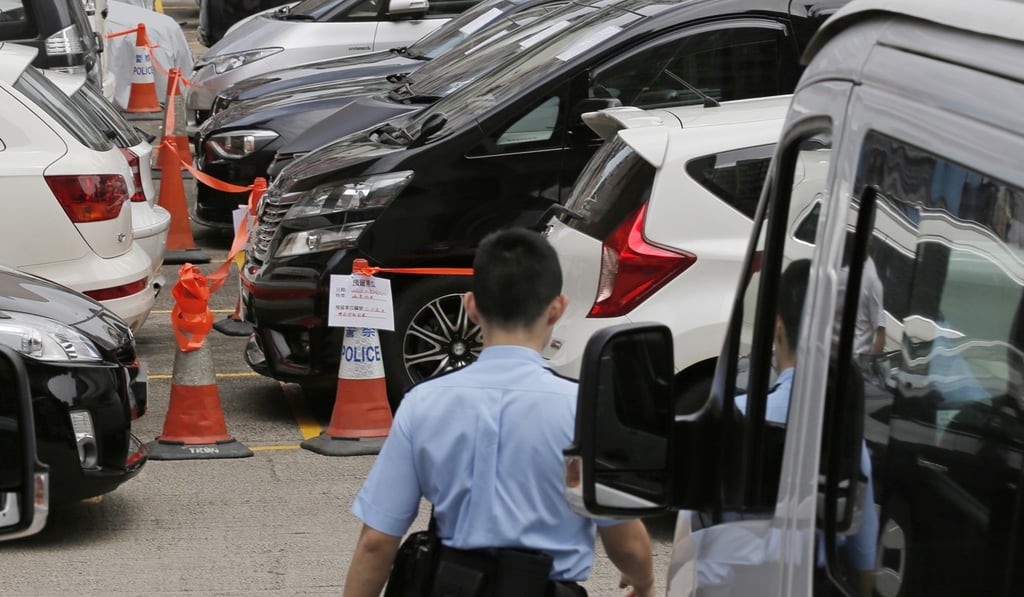
Hong Kong government bureau faces backlash over Uber comments
The authorities also challenged the validity of the drivers’ third-party insurance policy, although Uber has insisted that its ride-sharing insurance policy complies with local legal requirements.
In contrast, Singapore is steps ahead of Hong Kong in terms of accommodating innovation in the fast-growing sharing economy. The island republic has adopted what it hailed as a light-touch approach in revising the laws to license individual drivers so that ride-sharing can continue to benefit consumers while ensuring their safety.
Time to get on board the ‘sharing economy’
In Hong Kong, the Hotel and Guesthouse Accommodation Ordinance prohibits proprietors and tenants from providing sleeping accommodation at a fee for fewer than 28 continuous days. It is necessary to get a hostel or hotel licence to do so. This has rendered home-sharing operations, such as Airbnb, illegal. Despite the legal restriction, online listings for home-sharing in Hong Kong have flourished. They are so popular that the city has become one of Airbnb’s top destinations.