China only has itself to blame for fresh US arms sales to Taiwan
Michal Thim says US comradeship with Taiwan turns upon the threat of use of force by China and, as long as Beijing continues with its tough policy decisions on Taipei, the weapons sales will continue

Last week was not the best for Beijing when it comes to relations with the US and China’s long-standing efforts to dissuade Washington from supporting Taiwan.
First, the US Senate’s Armed Services Committee approved a provision in the National Defence Authorisation Act for 2018, calling for a resumption of port visits to Taiwan by the US Navy. Second, the State Department announced the Trump administration’s first arms sale to Taiwan, approving a package of equipment potentially valued at US$1.4 billion, though a relatively modest deal compared to previous instances.
US arms sales a morale booster for Taiwan, says Tsai Ing-wen
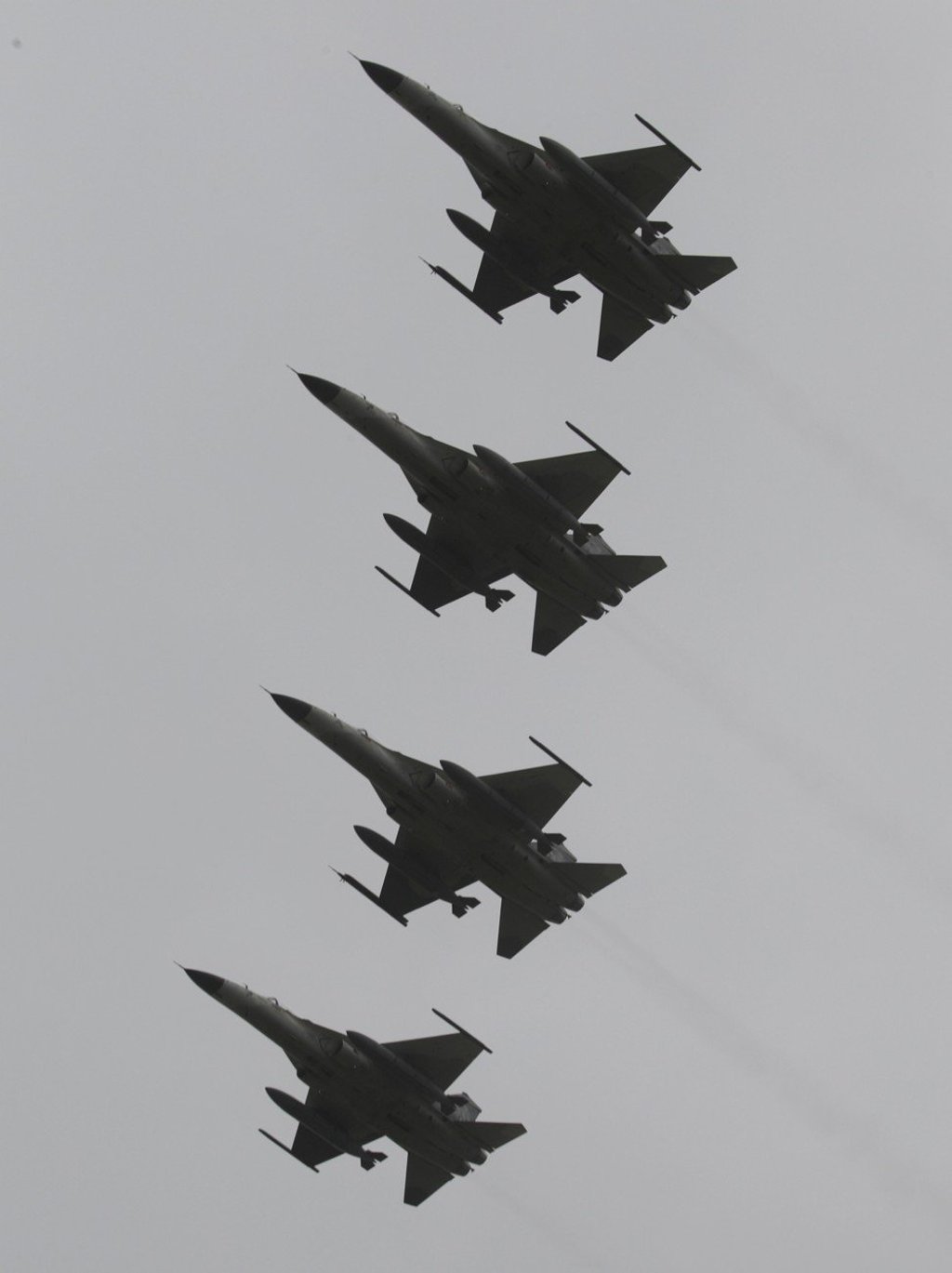
Pending US congressional approval, Taiwan will receive, among other items, upgrades to the powerful Raytheon early-warning radar system located in its north, advanced torpedoes for its two diesel-electric submarines, and stand-off missiles allowing Taiwan’s F-16 fighter jets to fire from less-exposed positions.
What is Taiwan actually getting for its US$1.4 billion arms deal?
One of the defining features of this framework is that weapons sales will continue as long as there is a threat of use of force by Beijing.
The deal comes at a time when the US is pushing Beijing towards a harder stance on North Korea. Thus, many commentators concluded that the sale is not so much about assisting Taiwan’s defence as about using the sale as leverage against China.