Stigma of mental health problems is where the real fight lies
Anson Au says to prevent suicides, Hong Kong must make more effort to understand the causes of mental pain, recognise the shared humanity from which they arise, and extend a helping hand

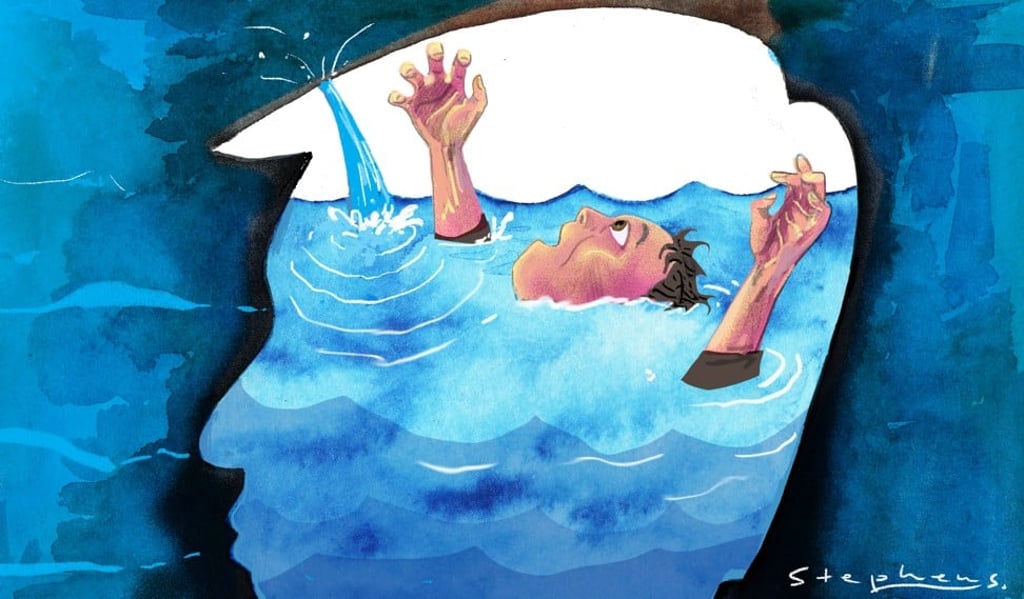
One in three primary school students in Hong Kong at risk of suicide
Many have seized on these facts to call for more mental health services. While this is important, two key parts of the picture are overlooked: do people really understand what mental health is, as well as the many mental health problems beyond suicide?
My research shows that East Asian cultures view mental health more as stigmatised curses upon the family and society than as legitimate health issues. Against this backdrop, highlighting suicide and depression rates alone isn’t enough. Because people don’t know what mental health is, they don’t value it in the first place. And it’s because they don’t value it that coping resources for mental health are dismissed and problems go unchecked until they become extreme. We need to put flesh on the bones by directly discussing what mental health is – and what it is not.

First, mental health problems are the product of our circumstances; and encountering such life circumstances is part of being human. Even among scholars, doctors and other health care professionals, mental health problems are discussed in the language of jagged teeth and bloodshot eyes, marks of a beast to be conquered – “our demons”, or “things we must ‘fight’ together”.