China must get along with regional powers to make its New Silk Road plan work
Raffaello Pantucci writes that Beijing is seeking to increase its presence in regions where it is going to need more friends than enemies, including India

Geopolitics matters. As we move deeper into a multipolar world, the importance of grand strategy will only grow. Relations between states at a strategic, economic and even emotional level will all intertwine to create a complicated web that will require sophisticated diplomacy to navigate. For China this is a particularly important lesson to learn, given its keynote “Belt and Road Initiative” that requires an acquiescent and peaceful world to deliver on its promise of building a web of trade and economic corridors emanating from China and tying the Middle Kingdom to the world. China’s current stand-off with India highlights exactly how geopolitics can disrupt Xi Jinping’s foreign policy legacy initiative.
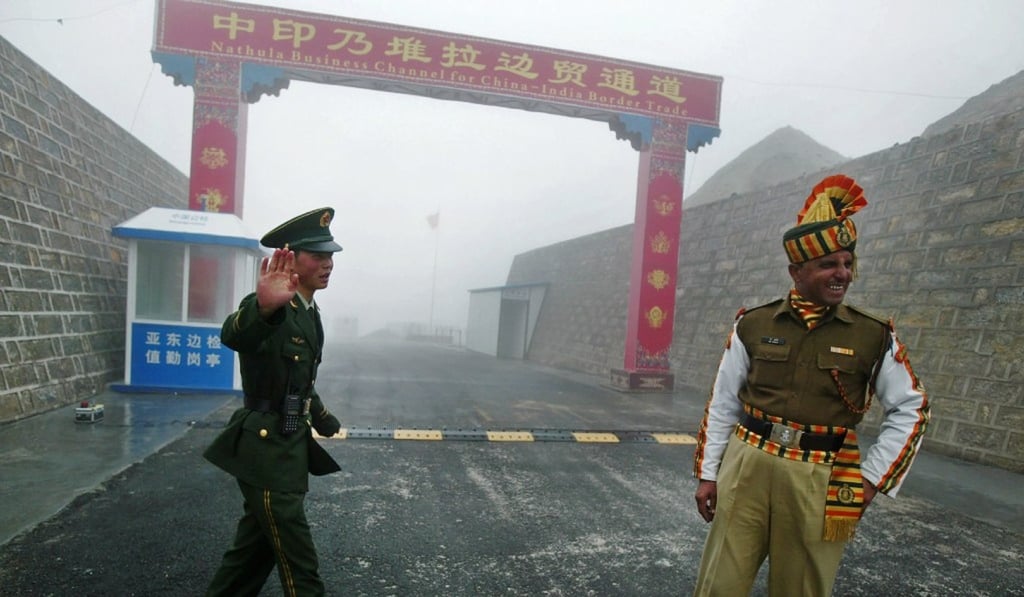
The details of the specific transgression within this context are not entirely important. China is asserting itself in its border regions and changing facts on the ground to solidify claims. Indian push-back is based on strategic relations with Bhutan that go back a long way and a concern about how this changes Indian capabilities on the ground.
It comes at a time when relations between China and India are particularly low, with suspicion on both sides. Most analysts do not seem to think we are going to end up with conflict, but it is not clear at the moment what the off-ramp looks like. But whatever this exit looks like, we are undoubtedly going to see China finding it tougher to advance its Belt and Road Initiative through India’s perceived or real spheres of influence in South Asia.