How biotech is helping Asia tackle hunger and meet its development goals
Kundhavi Kadiresan says scientists can help boost food production in Asia – home of most of the world’s poor – and have already had their share of successes in India and Thailand

For our part, we encourage governments, researchers and the private sector to take bold steps to ensure safe, evidence-based agricultural biotechnology is placed in the hands of smallholder farmers, fishers and pastoralists.
And we need to get on with that now, as our region is increasingly facing both the predictable and unpredictable results of climate change, as well as the future effects these will have on agricultural production, particularly for smallholders least-equipped to deal with climate-related shocks.
With more than half a billion hungry and malnourished people in this region, we need to work together ... without delay
The challenges we already face are enormous, and that’s why we need to make use of all available technologies we know are safe – both old and new. This region has nearly half a billion hungry and malnourished people – more than 60 per cent of the world’s total. Consider the 2030 deadline to deliver all 17 of the world’s Sustainable Development Goals, and the 2050 mid-century point, where our children will live among some 9-10 billion people competing for limited natural resources, and you get the picture.
We have a number of good case studies on the use of agricultural biotechnologies. Here are just two.
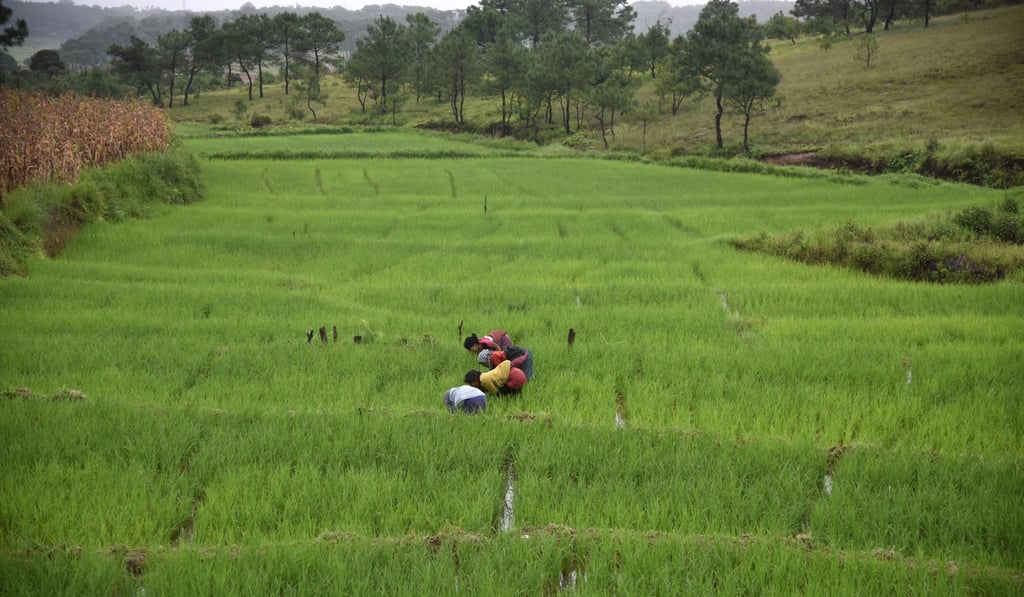
In several countries in this region, floodwater incursions into rice paddies have long been a major problem. But scientists at the International Rice Research Institute (IRRI), working with partners, have developed a version of rice that can still thrive when submerged in floodwater. This flood-tolerant rice, nicknamed “scuba rice,” exemplifies how scientists and farmers can come together to tackle the more complex problems the environment can throw at those who struggle to produce the food we eat.