Urgent need for China to address public health
Rural poverty and those left impoverished by severe illness present a serious challenge to Beijing, which must act swiftly or face political and economic risks

At the same time as China continues to lift millions more above the poverty line, the number falling below it because of illness and rising medical costs is growing. As a result, despite a doubling of spending on poverty over the past five years, the proportion of impoverished rural people who owe their plight to severe illness in their families has risen over two years from 42 to 44 per cent, according to Liu Yongfu, director of the State Council Leading Group Office of Poverty Alleviation and Development.
This counter trend is now one of the two biggest obstacles to the national goal of raising all families above the poverty line by 2020. The other is the challenge of eradicating rural poverty, especially in remote areas where it is deeply rooted and poorly served by social services and infrastructure, and a shortage of basic medical services.
Many people in these areas face difficulties they cannot overcome without extra help through sustained relief strategies.
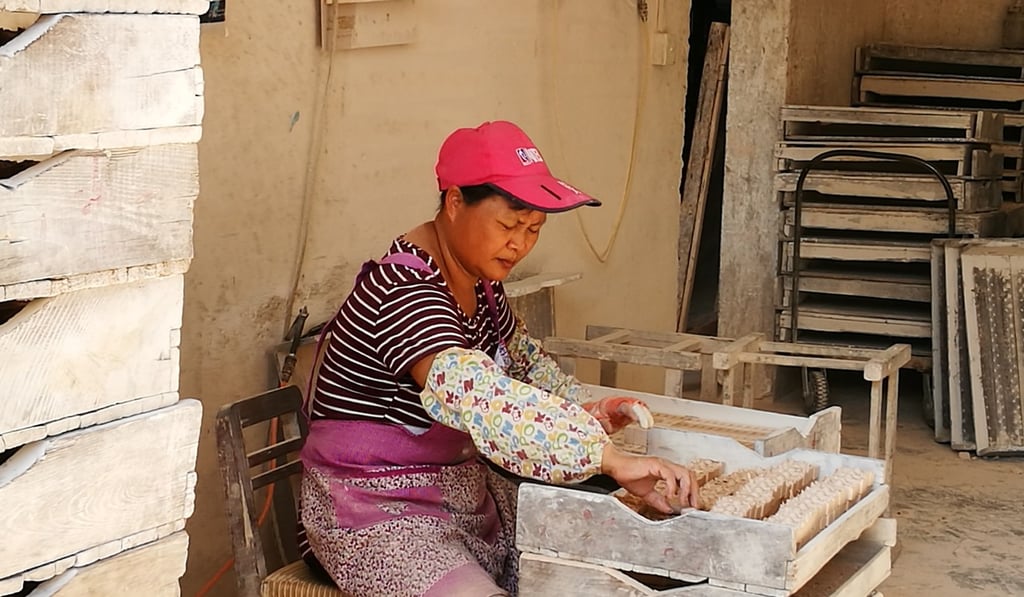
This has prompted Beijing to target the impoverished living in the most remote areas and those further disadvantaged by illness. Liu left no one under any illusions about the scale and depth of the problem. He said six provinces had more than three million people below the poverty line, including ethnic Tibetan areas of Sichuan and southern parts of Xinjiang, and at least 20 per cent of the populations of nearly 30,000 villages were deemed impoverished.