Advertisement
How Indonesia’s model of inclusion and religious tolerance can root out extremism in the region
Eva Kusuma Sundari says Indonesia’s founding ideology, of a state that enshrines both religion and religious tolerance, can be a model for Asean amid the rising conflict that is threatening stability in Southeast Asia
4-MIN READ4-MIN

Religious extremism is on the rise worldwide. The issue constitutes a serious threat to the stability and identity of nations around the globe, yet many governments and international institutions struggle to develop successful approaches to combat it.
In Southeast Asia – where religious conflict had traditionally been limited – the past few years have seen a dramatic rise in extremism, along with a serious threat to regional stability and the previous spirit of tolerance.
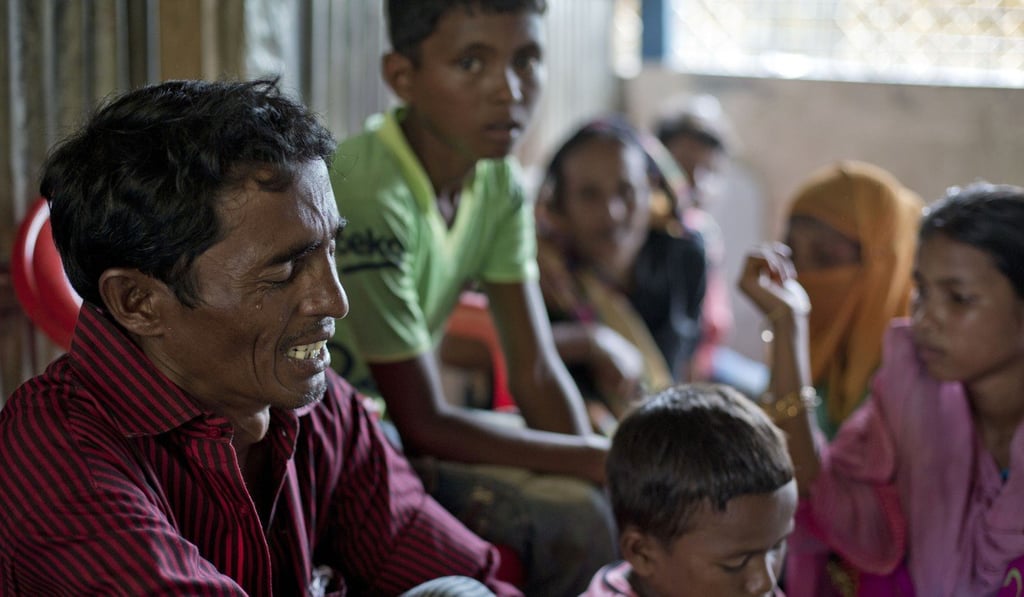
US threatens sanctions, targets Myanmar’s military for role in brutal Rohingya crackdown
In Myanmar, Buddhist nationalists have successfully pushed for the passage of discriminatory laws targeting minority religions, particularly Muslims. Meanwhile, in the context of a brutal military campaign of ethnic cleansing against the minority Rohingya Muslims in the country’s west, the wider Myanmar population has embraced a religious-nationalist chauvinism that threatens the country’s shaky democratic transition.
Advertisement
In Malaysia, hardline Islamic groups have become increasingly aggressive in their policing of the public sphere, and leaders have embraced the politicisation of religion as a way of securing votes and maintaining power.
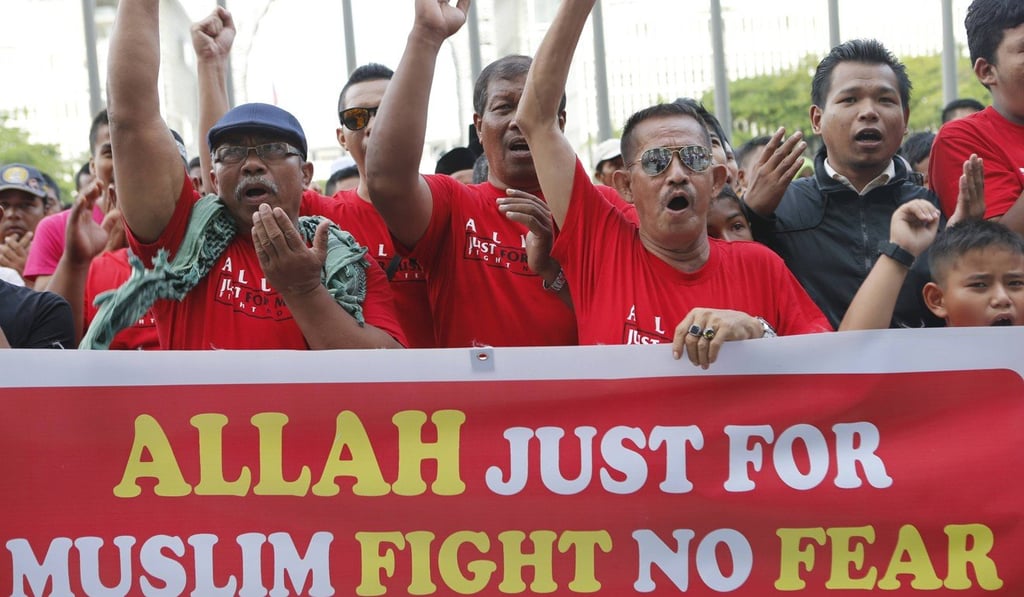
Cancelled beer fest in Malaysia: If Najib is courting Islamic hardliners, are his rivals any better?
In many cases, Southeast Asian politicians are responding to a bottom-up development: extreme religious views embraced by larger and larger swathes of the population, with no countervailing narrative or movement to push back against this tide.
Advertisement
Advertisement
Select Voice
Select Speed
1.00x