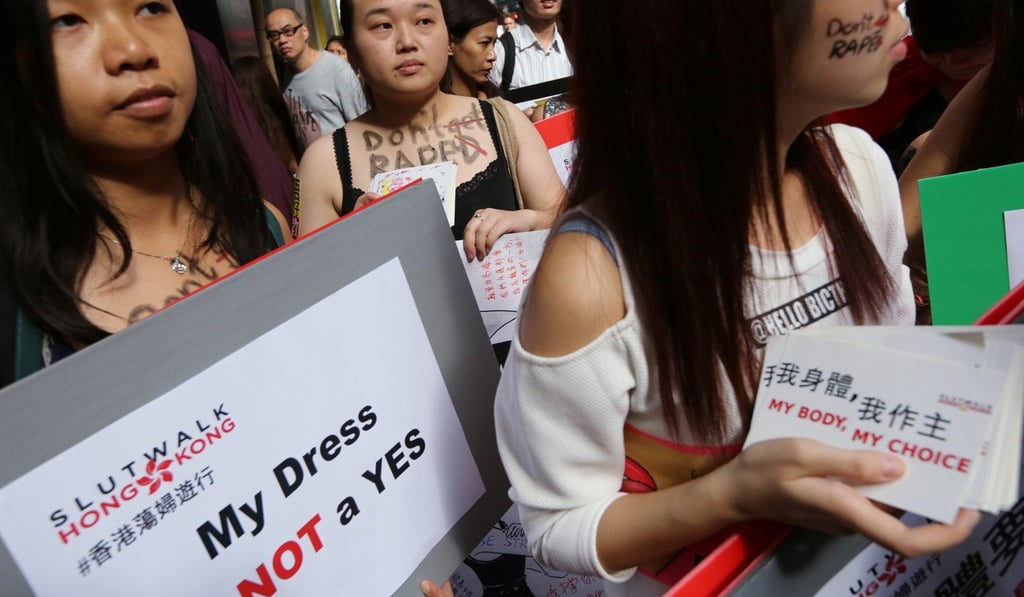
Why Hong Kong needs to join the #MeToo movement against sexual predators
Alfred C.M. Chan says conservative Hong Kong has remained a silent onlooker as victims worldwide called out abusers of power. But sexual harassment, job-related in particular, is deeply rooted and can only be ended with a joint community effort

But, then, sexual harassment has never been an easy topic to discuss. On the one hand, as a product of power imbalance, it instils fear in the victims, the powerless, who are often afraid to speak up and seek help. On the other, it involves the taboo-bound subject of sex that many prefer not to have to deal with. That also partly explains why Hong Kong, still quite conservative when it comes to talking about sex, has remained a silent onlooker in the “Me Too” movement.
Harvey Weinstein scandal highlights predatory behaviour
Hollywood hails Academy decision to expel Harvey Weinstein
But just because people feel uncomfortable talking about sexual harassment does not mean we should shelve the issue. In recent years, the Equal Opportunities Commission (EOC) has conducted a number of surveys to gauge the scale and severity of sexual harassment in various industries and sectors. The results have consistently shown that it is a deeply rooted problem. Data from the Association Concerning Sexual Violence Against Women, an NGO, also points to a similar trend.
Just because people feel uncomfortable talking about sexual harassment does not mean we should shelve the issue
In Hong Kong, sexual harassment and victimisation resulting from it are unlawful under the Sex Discrimination Ordinance, which protects both women and men. Being the public body responsible for implementing the four anti-discrimination laws, the EOC handles inquiries and complaints about sexual harassment. Last year, we received over 100 such complaints, and aimed to resolve them through conciliation or legal proceedings.
BNP Paribas Hong Kong staff left shaken by details of 2012 sexual misconduct case