Quality private health care is within Hong Kong’s grasp, if the government is willing to regulate
Thalia Georgiou says there are numerous fixes that can make private health care more affordable and relieve pressure on public providers, if the government supports those willing to reform

It is therefore disappointing that the most recent release of the proposed scheme’s benefits schedule indicates that the final product will not only lack comprehensiveness but is likely to expose policyholders to unacceptably high risks of payment shortfalls. In many cases, the proposed benefit limits would not be sufficient to cover even half the costs of hospital treatment at today’s prices. That’s a big bill for someone to pay, and worse if they didn’t know it would occur. Insurers and providers alike will doubtless encounter many angry, vulnerable policyholders confused about their coverage and unable to meet the costs of their share. The government, in promoting and offering tax incentives for the scheme, will also bear responsibility for a group of policyholders who feel severely short-changed. It’s a recipe for reducing confidence in the private system, not enhancing it.
The scheme, like all attempted health care reform in Hong Kong’s recent past, seems set up to fail before it gets out of the door
The scheme, like all attempted health care reform in Hong Kong’s recent past, seems set up to fail before it gets out of the door. The reasons are simple; providers and insurers have not been encouraged or supported to work collaboratively to create better, more cost-effective ways of delivering health care. Instead, a broken system has descended into transactional conflicts; providers are painted as self-interested individuals motivated only by greed and insurers as corporate giants motivated by rationing care. These are misperceptions; the behaviour we see is the result of people playing within the rules of the game. The problem is that the rules should have been updated long ago to allow systems and behaviours to change. Dealing with major structural issues is consistently put in the “too hard to tackle” box. Change will always bring opposing views; we need political will, support, leadership and frameworks to resolve conflict, not to sweep it under the carpet.
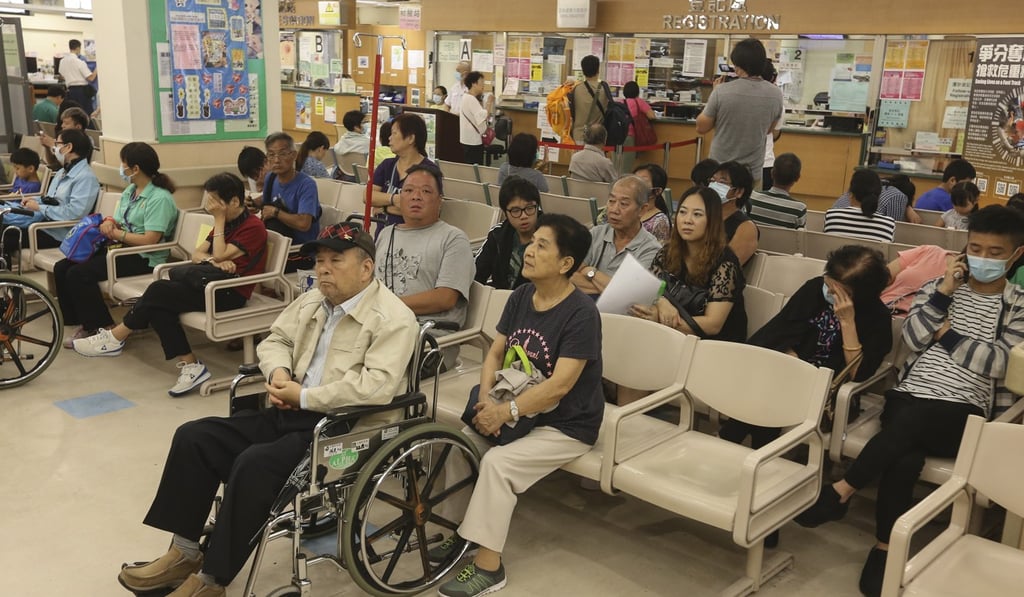
What you need to know about this year’s unusual winter flu surge in Hong Kong
There are many improvements that could be made. Currently, neither insurer nor provider are required to publish data on key quality indicators – readmission rates, surgical outcomes or even length of stay. This restricts the public from accessing information on the quality of their care and hinders them from selecting (and rewarding) higher-quality providers. This is easily rectified; the data already exists but needs to be independently assured and standardised. Many hospitals are ready and willing to publish data, but can’t without comparators – a system approach is needed.