China enters a new era for conservation and pollution control, but can it implement all the sweeping changes?
Poon Kit says the shift in the handling of emissions reductions to a new ministry – one of two new environmental agencies with expanded powers – suggests China is now implementing its environment plans to meet its local and global commitments

The reform package is the eighth round of institutional revamping since 1982. It promises drastic consolidation and redistribution of both power and resources among ministries and departments so the Chinese government can meet the challenges of the day. The newly established Ministry of Natural Resources and Ministry of Ecological Environment, for example, will have enhanced powers to shoulder new responsibilities.
The objectives of the reshuffling are efficiency and efficacy. Throughout the years, a variety of ministries and departments have been given responsibilities that seemingly fell into their portfolio, but in effect served a broad national developmental strategy. Identifying a lead department, centralising decision-making power and integrating the necessary resources for implementation thus assume paramount importance in overcoming bureaucratic barriers and ensuring better accountability.
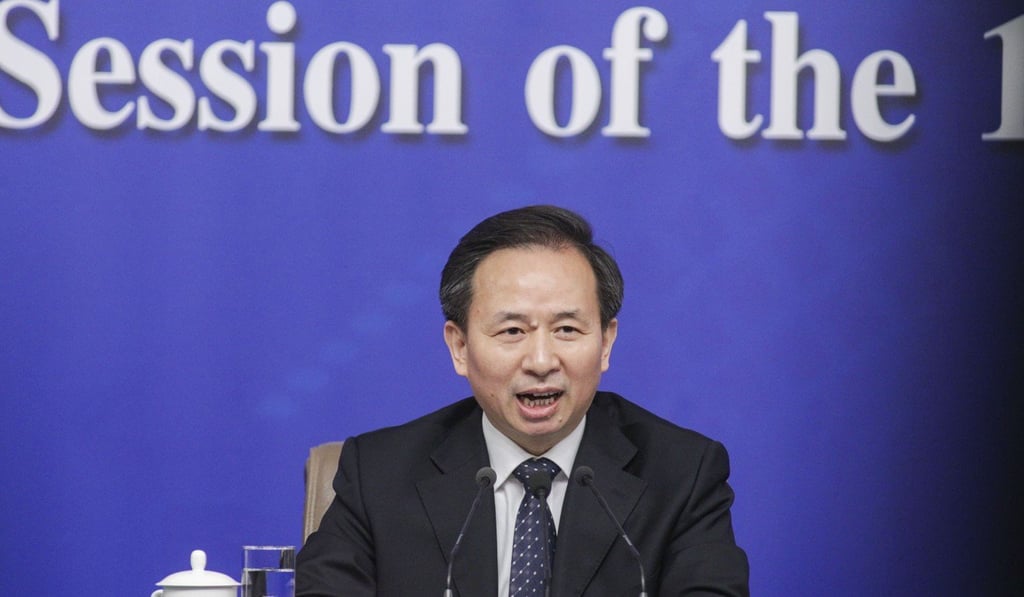
China boosts environmental watchdog’s powers as next step in battle against pollution
The creation of the Ministry of Natural Resources paves the way for holistic planning and management of the nation’s forests, grasslands, wetlands, desert and wildlife. The wide spread of natural resources across the country requires huge costs and manpower to monitor, protect and sometimes restore the nation’s assets. On the other hand, some natural resources could be deployed for sustainable use to improve the livelihoods of indigenous people. But both sustainable use, or protection and restoration of natural resources, would require scientific evaluation of the existing treasure, establishing stringent rules for protection and, above all, a strong enforcement agent. Thus, the first task of this new ministry should be to ascertain the ownership of the various natural resources and establish a registry system based on a comprehensive survey. It is expected that the ministry will further improve the rules for commercial use of different types of natural resources, and be called upon to enforce the rules.