Australia should take pragmatic approach
Canberra finds itself increasingly conflicted in trying to balance economic relations with China and security ties with the United States. It could do worse than return to a national interest-based approach in which differences with Beijing are set aside in favour of working on things they can agree on

One of China’s best friends in Australia is former foreign minister Bob Carr, now director of the Australia-China Relations Institute.
Each year, he leads a delegation of journalists to China. It is a measure of the chill that has descended on bilateral relations that this year the Chinese authorities have dragged their feet in issuing visas. Carr blames frosty diplomatic ties.
Few countries have prospered as much as Australia from trade with China. However, the country finds itself increasingly conflicted in trying to balance economic relations with China and security ties with the United States.
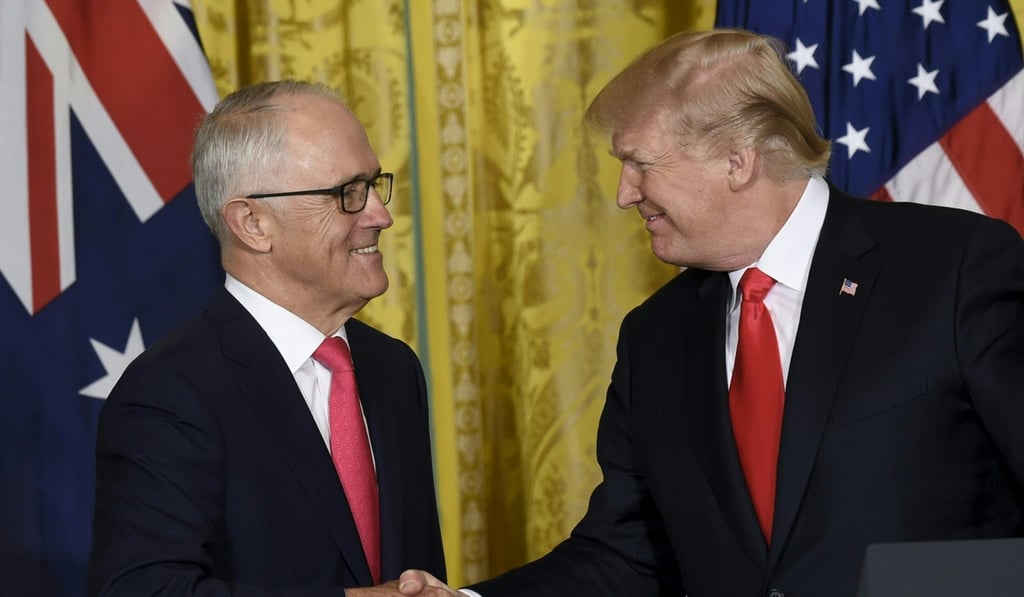
This is reflected in anti-China rhetoric, including speeches by Prime Minister Malcolm Turnbull and Foreign Minister Julie Bishop opposing its regional ambitions, which annoyed Beijing.
They have since tried to smooth things over, but Turnbull has conceded that planned legislation against foreign interference in Australian politics has aggravated tensions.
Now they have been stoked further by the fallout from an Australian lawmaker’s linking of Chinese-Australian political donor Dr Chau Chak Wing with the bribery of a senior United Nations official.