Why a global trade war might confound investors’ flight to the Japanese yen for safety
David Brown says given the state of the Japanese economy and trade war fears, the yen is not necessarily a safe haven for investors

When the going gets tough, it always helps to have a friend to lean on to carry you through. Investors soon learn who their friends are and who they can cling to until the storm blows over. In the past, the Swiss franc, Japanese yen, German government bonds and gold have all earned strong reputations as safe haven bolt-holes when financial markets have been in meltdown and the outlook for risk-taking has been in doubt. A friend in need is a friend indeed, as the saying goes.
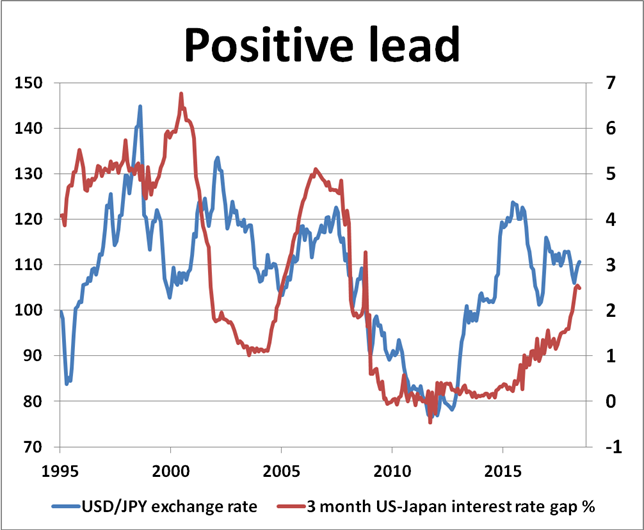
The ironclad rule when market risk goes up is that the yen generally rallies. And when volatility eases, the yen invariably sells off. It is so simple that it is no wonder hedge funds and prop traders love it. But this has less to do with the yen’s true fundamental merit than with the ebbs and flows of Japanese investors flooding in and out of the currency as good and bad times roll. For savvy investors, the yen is not so much a bellwether for global market stability, but more a proxy for how Japanese funds feel about the state of investing abroad.