Properly diagnosing gaming addiction will yield better treatment
The World Health Organisation is moving to classify excessive playing as a mental health disorder. Such recognition will make it easier for sufferers to find help and foster standards for the rehabilitation industry

Classifying addiction to video game playing in a similar category to cocaine, as the World Health Organisation aims to, may seem extreme, but the thinking involved makes the decision justified. The draft of the latest edition of the United Nation body’s “bible” of recognised diseases and illnesses refers to the problem as a mental health disorder.
For people worried about the excessive screen time of children, friends and work colleagues, the move could not have come at a more timely moment. The digital and video game industry is booming and the more players who get hooked on its products, the greater the need for help.
Most game players can moderate their screen time. But some put their gaming ahead of family and work. The WHO’s updated International Classification of Diseases, to be presented to member states at the annual World Health Assembly next May for adoption in 2020, describes the problem as “a pattern of persistent or recurrent gaming behaviour” that becomes so extensive that it “takes precedence over other life interests”.
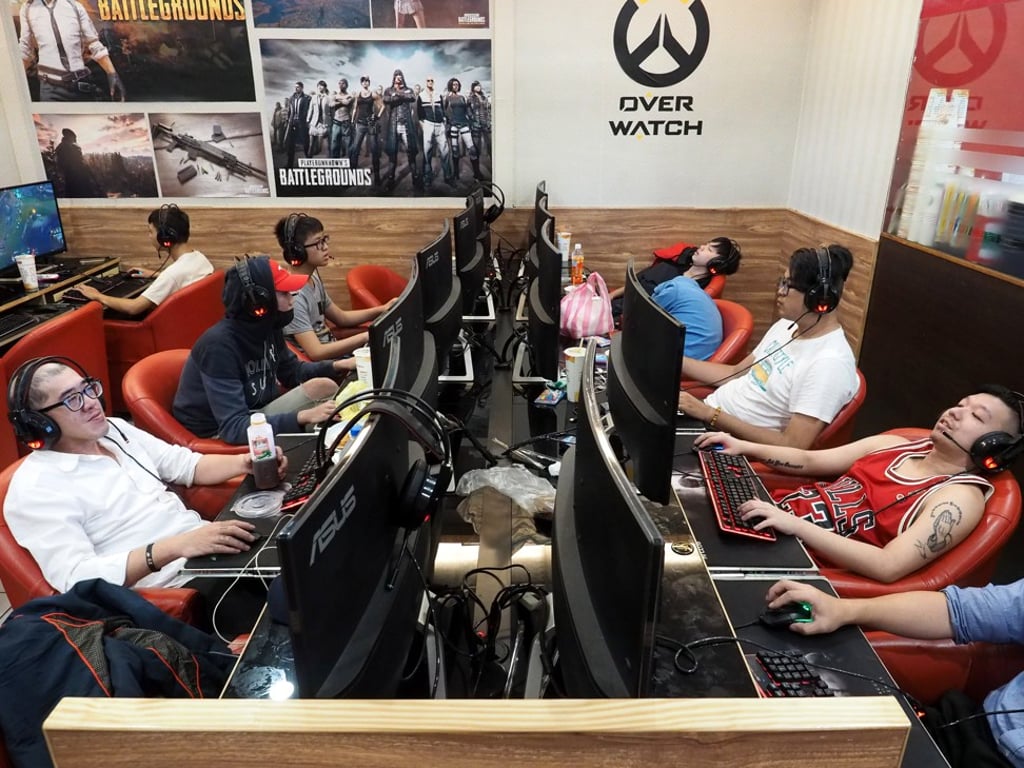
Some parents are only too aware of such signs with their children; homework is neglected and there is no time for proper meals and communication with others.