Advertisement

The ViewAfter MSCI’s questionable upgrade for Argentina and Saudi Arabia, do its powers need to be downgraded?
Nicholas Spiro says that following MSCI’s delayed inclusion of China, granting emerging market status to Saudi Arabia and Argentina may leave many wondering whether it, and other providers, are the best guides to investment opportunity
3-MIN READ3-MIN

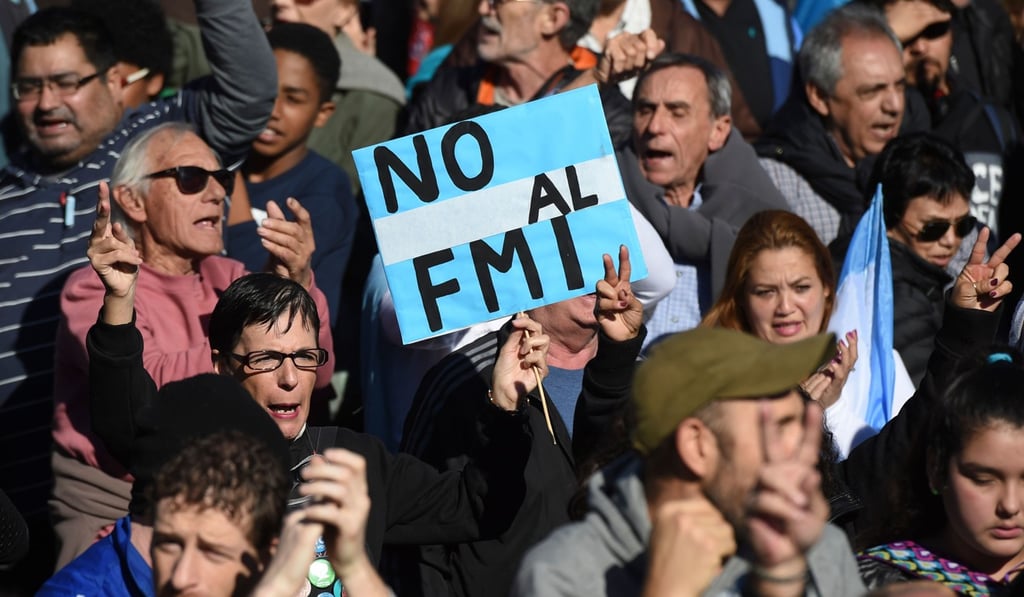
Last week brought a rare piece of good news for emerging markets. On Wednesday, MSCI, the New York-based index provider, decided to include both Saudi Arabia and Argentina in its benchmark emerging markets equity index. For Argentina, the news was particularly welcome, as it was accompanied by a decision to reclassify the country from a riskier “frontier market” to a more developed emerging market despite a run on its currency that has forced the nation to seek a US$50 billion bailout.
That Argentina, a serial defaulter on its external debt and a financial pariah before its return to the capital markets in 2016, has been upgraded to emerging market status, while Taiwan and South Korea – economies whose GDP per capita is higher than that of some countries in Western Europe – still await promotion to developed market status is perplexing, to say the least.
Yet, it is not the first time the decisions and influence of MSCI have come under scrutiny.
Advertisement
Consolidation among the world’s main indexers has left power concentrated among a handful of providers. In equities, three firms – MSCI, S&P Dow Jones Indices and the London Stock Exchange’s FTSE Russell – guide trillions of dollars of assets, holding huge sway over markets.
A significant portion of this money is parked in “passive” funds, cheaper investment vehicles which, unlike their actively managed counterparts, simply track one of the main indices. Even active funds have been accused of misleading investors by closely following their benchmark, a practice known as “closet tracking”.
Advertisement
Advertisement
Select Voice
Select Speed
1.00x